Taxes are mandatory financial charges imposed by governments on individuals and entities. Tax systems vary in complexity and progressivity, with different rates and rules applying to different taxpayers. On a case per case basis we will make sure you pay the least amount of taxes the law allows.
Although not a complete list, here are some year-end tax items to consider:
Contribute to a traditional IRA ( or Roth ORA, if eligible)
Max out contributions to your workplace retirement plan.
If self-employed, contribute to an SEP IRA or Solo 401(k) or profit sharing.
Max out your HAS, if you have a high deductible plan.
Sell securities with capital losses to offset capital gains.
Take your RMD(s) – (Required Minimum Distributions).
Donate to charity using a QCD (Qualified Charitable Distribution from your RMD.
Fund a 529 college saving plan.
Make a tax free gift of $18k (or $36K if married) per person to an unlimited number of people.
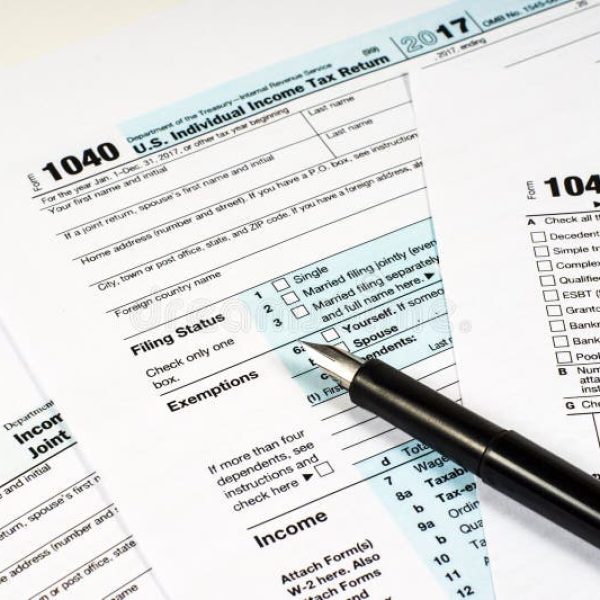
1040 Personal Return
Report Income: It’s used to report all sources of income, including wages, salaries, self-employment income, interest, dividends, capital gains, and other types of income.
Calculate Tax Liability: It helps calculate how much tax you owe based on your income, deductions, and credits.
Claim Deductions and Credits: It allows you to claim various deductions that reduce your taxable income and tax credits that directly reduce your tax liability.
Determine Refund or Amount Owed: Based on your calculations, it determines whether you’re due a refund or if you owe additional taxes to the IRS
1041 Estates and Trust
Form 1041, the U.S. Income Tax Return for Estates and Trusts, is used to report:
The income, deductions, gains, losses, etc. of estates and trusts.
The income that is either accumulated or held for future distribution or distributed currently to the beneficiaries.
Any income tax liability of the 1 estates or trusts.
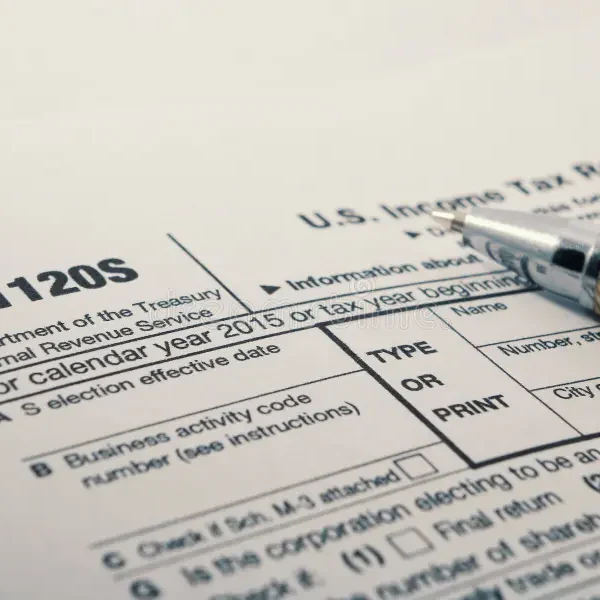
1120-S Corporation
Form 1120-S, the U.S. Income Tax Return for an S Corporation, is used to report:
The income, deductions, gains, losses, etc. of an S Corporation.
Each shareholder’s pro rata share of the corporation’s income, deductions, credits, etc
1065 Partnerships
Form 1065, U.S. Return of Partnership Income, is used to report:
The income, deductions, gains, losses, etc. from the operation of a partnership.
Each partner’s distributive share of the partnership’s income, deductions, credits, etc.
1120 C Corporation
Form 1120, U.S. Corporation Income Tax Return, is used to report:
The income, deductions, gains, losses, etc. of a C corporation.
The calculation of its income tax liability.
Tax Planning
Tax planning is the process of analyzing your financial situation to ensure tax efficiency. It aims to take advantage of available tax benefits and deductions to minimize your tax liability.
Maximizing contributions to tax-advantaged retirement accounts: Contributions to traditional 401(k)s and IRAs can reduce your current taxable income, while Roth accounts can provide tax-free withdrawals in retirement.
Taking advantage of deductions: Itemizing deductions, such as those for charitable contributions, mortgage interest, and state and local taxes (up to the $10,000 limit), can lower your taxable income.
Timing income and expenses: You may be able to control the year in which you recognize income or incur expenses to optimize your tax liability.
Investing in tax-efficient investments: Certain investments, such as municipal bonds, offer tax-free interest income.
Taking advantage of tax credits: Tax credits, such as the child tax credit and education credits, can directly reduce your tax liability.
990 Nonprofits
Form 990, Return of Organization Exempt From Income Tax, is an annual information return that most tax-exempt organizations,
1 including nonprofits, must file with the IRS. It provides the IRS and the public with information about the organization’s mission, programs, and finances.
709 Gift Tax return
Form 709, United States Gift (and Generation-Skipping Transfer) Tax Return, is used to report:
Transfers of property by gift where the value of the gift exceeds the annual exclusion ($18,000 per recipient for 2024).