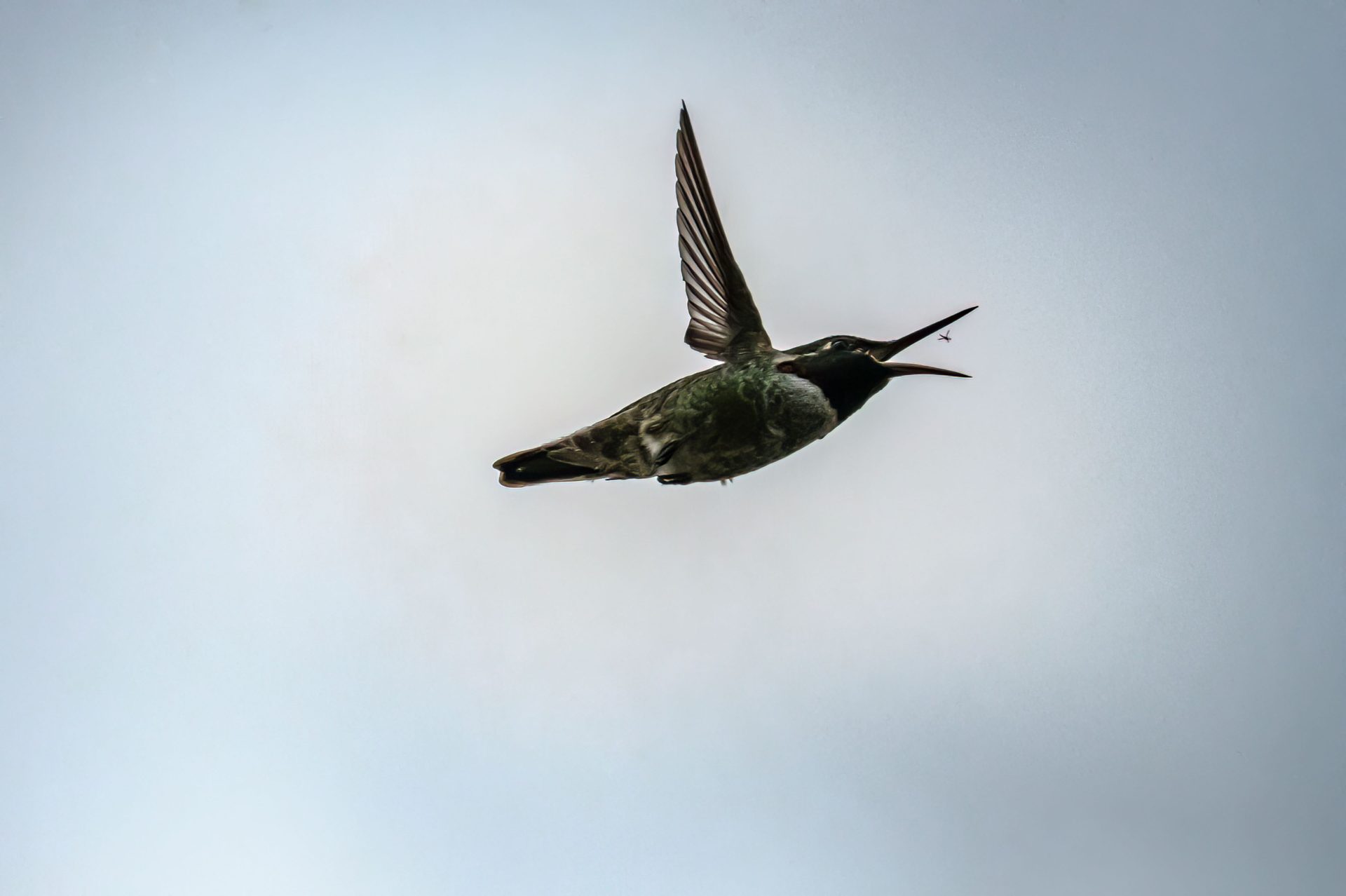
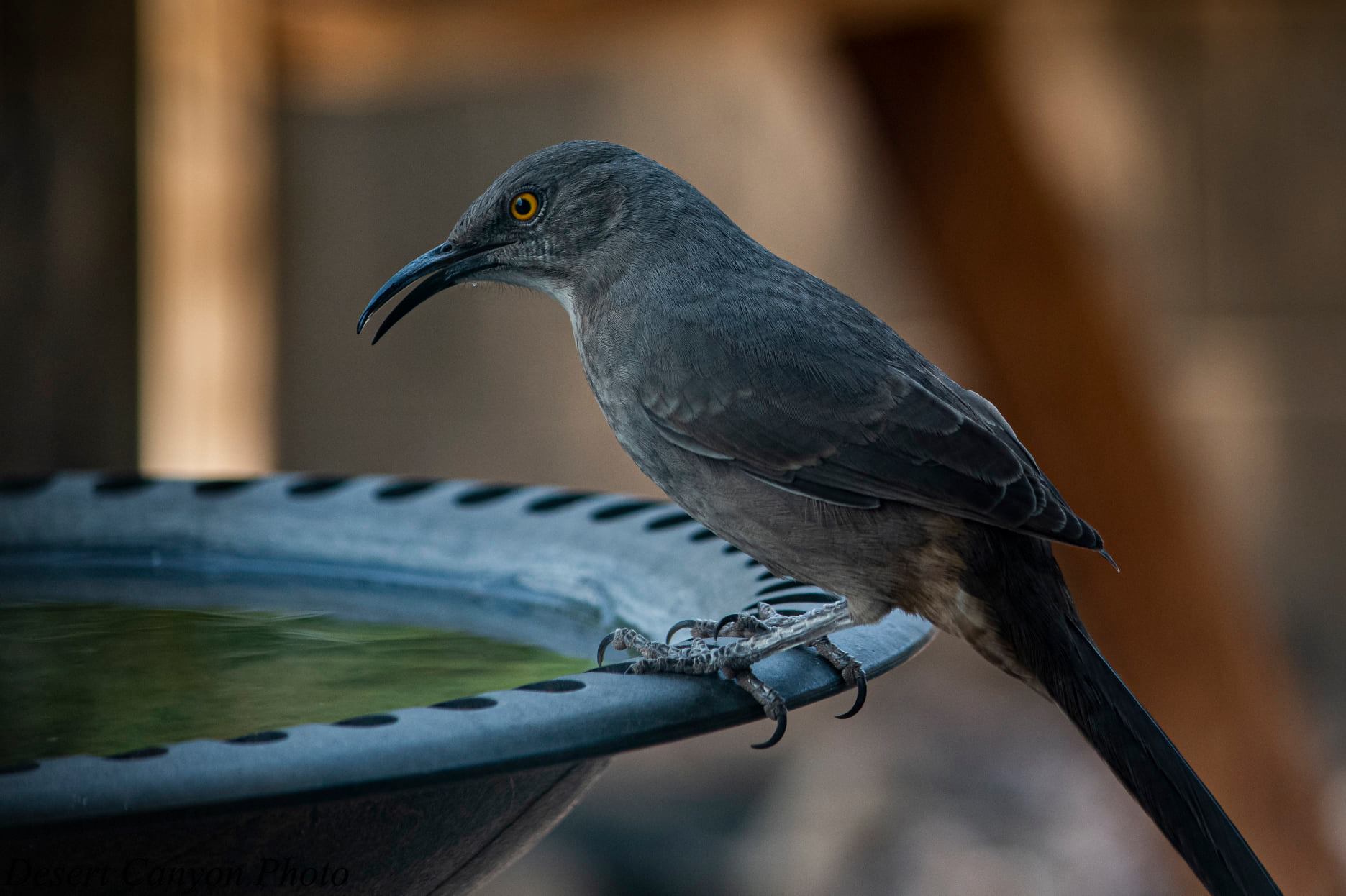
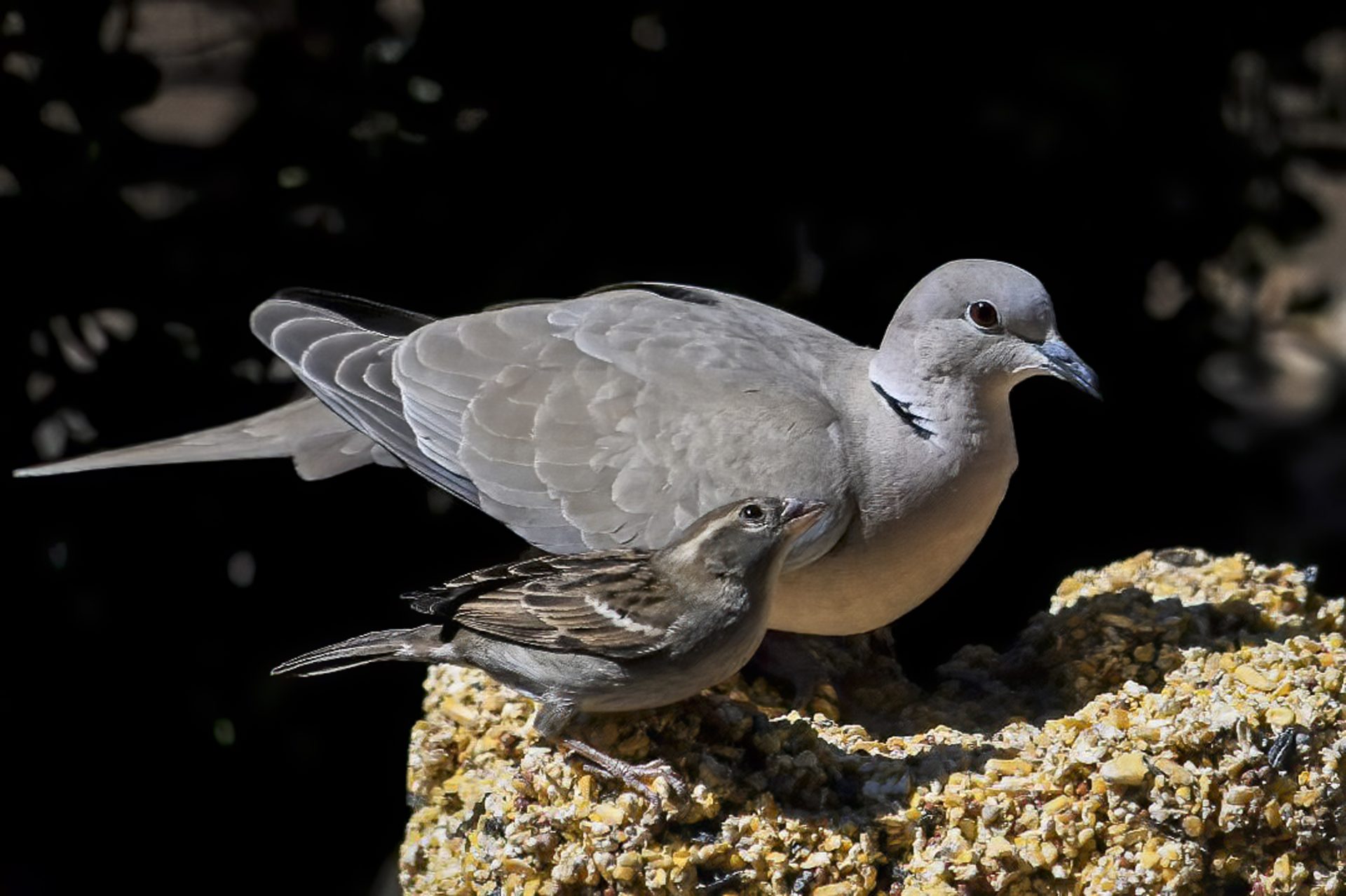
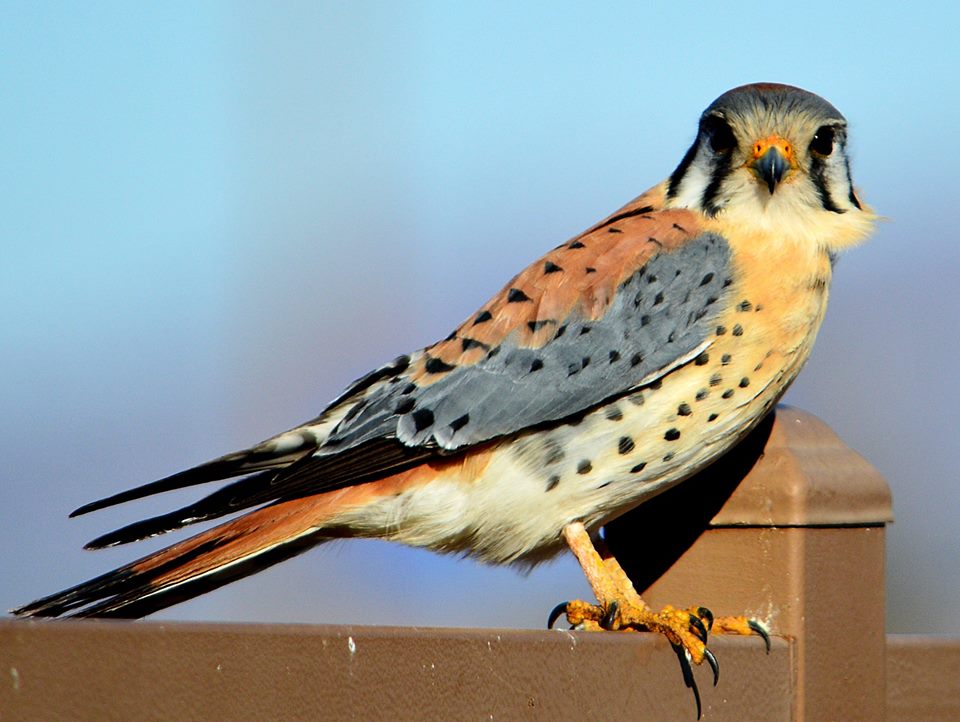
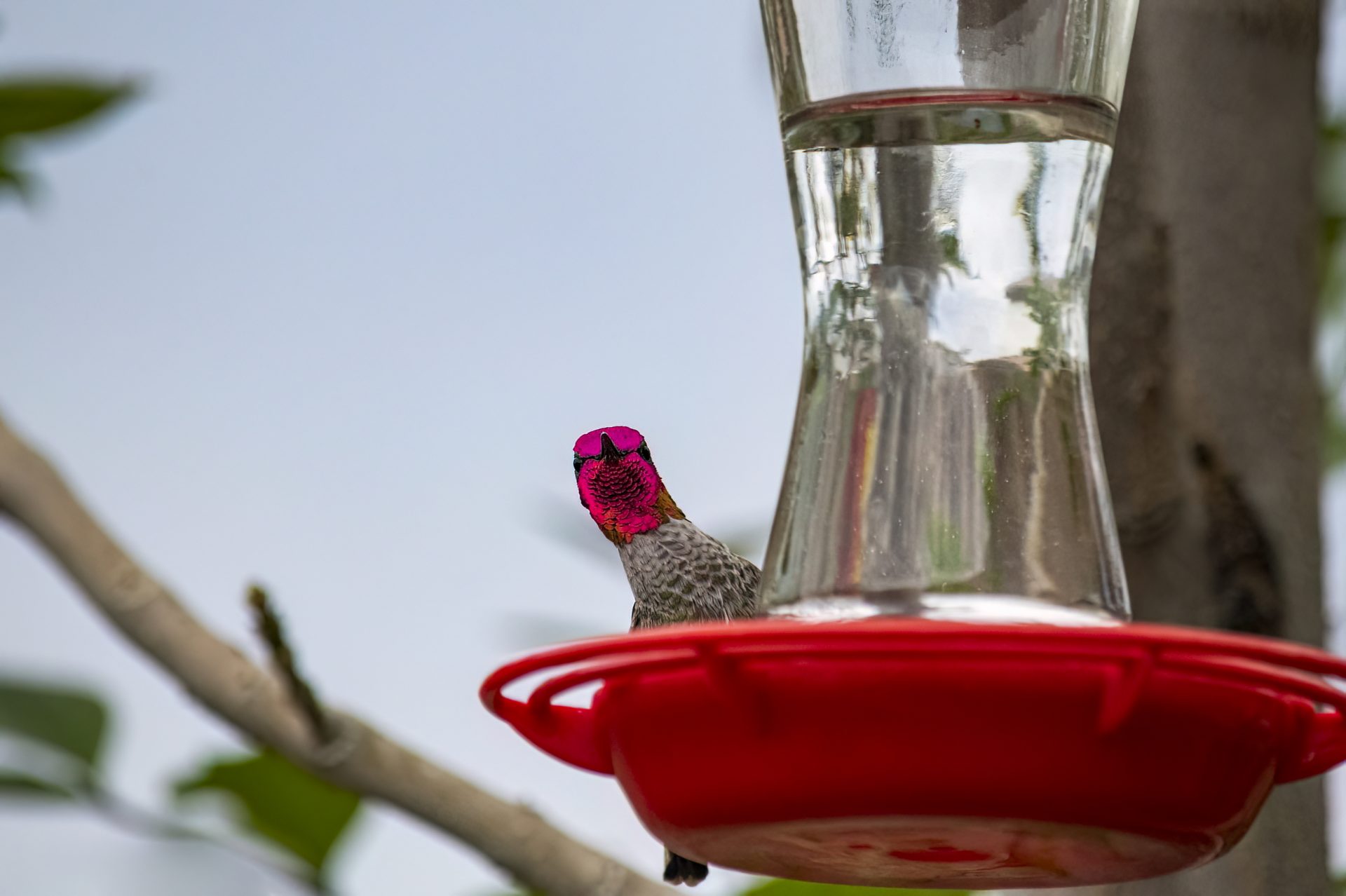
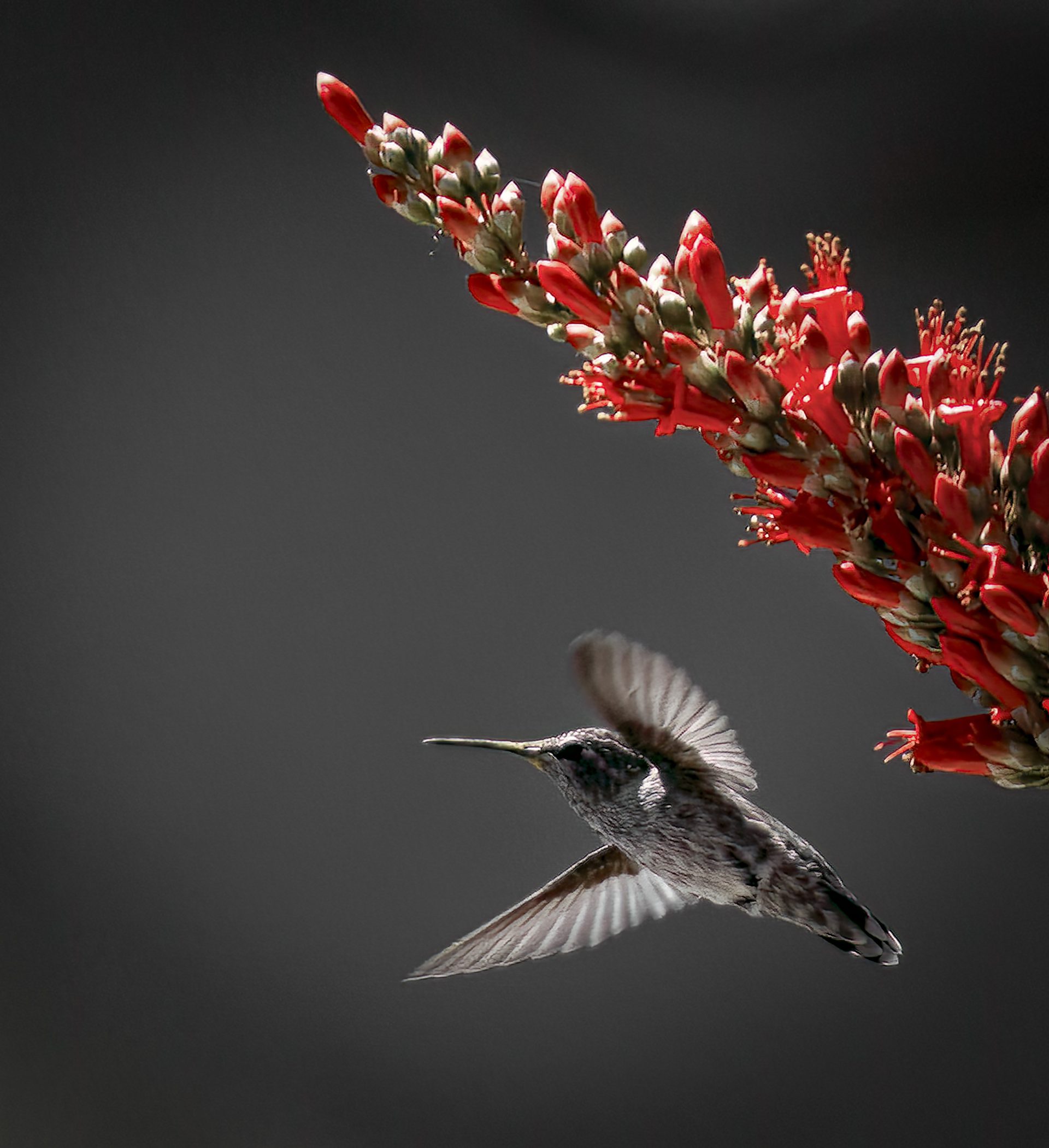
Arizona's diverse geography supports a wide range of birds, from those that live there year-round to those that migrate through. In the hot lower desert, resident birds adapt by keeping their bodies warm and eating moisture-rich foods like plants and insects. In winter, Arizona becomes a haven for many bird species escaping colder northern climates and scarce food. This influx adds to Arizona's rich bird population, underscoring its importance as a permanent habitat and a crucial stopover for migrating birds.

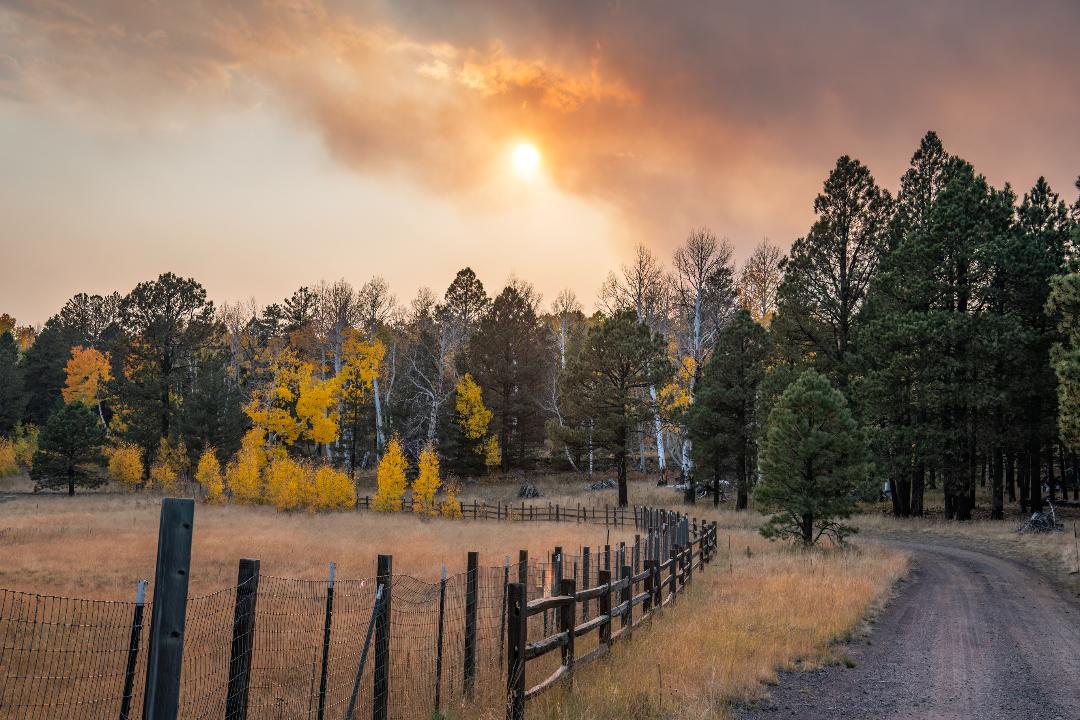
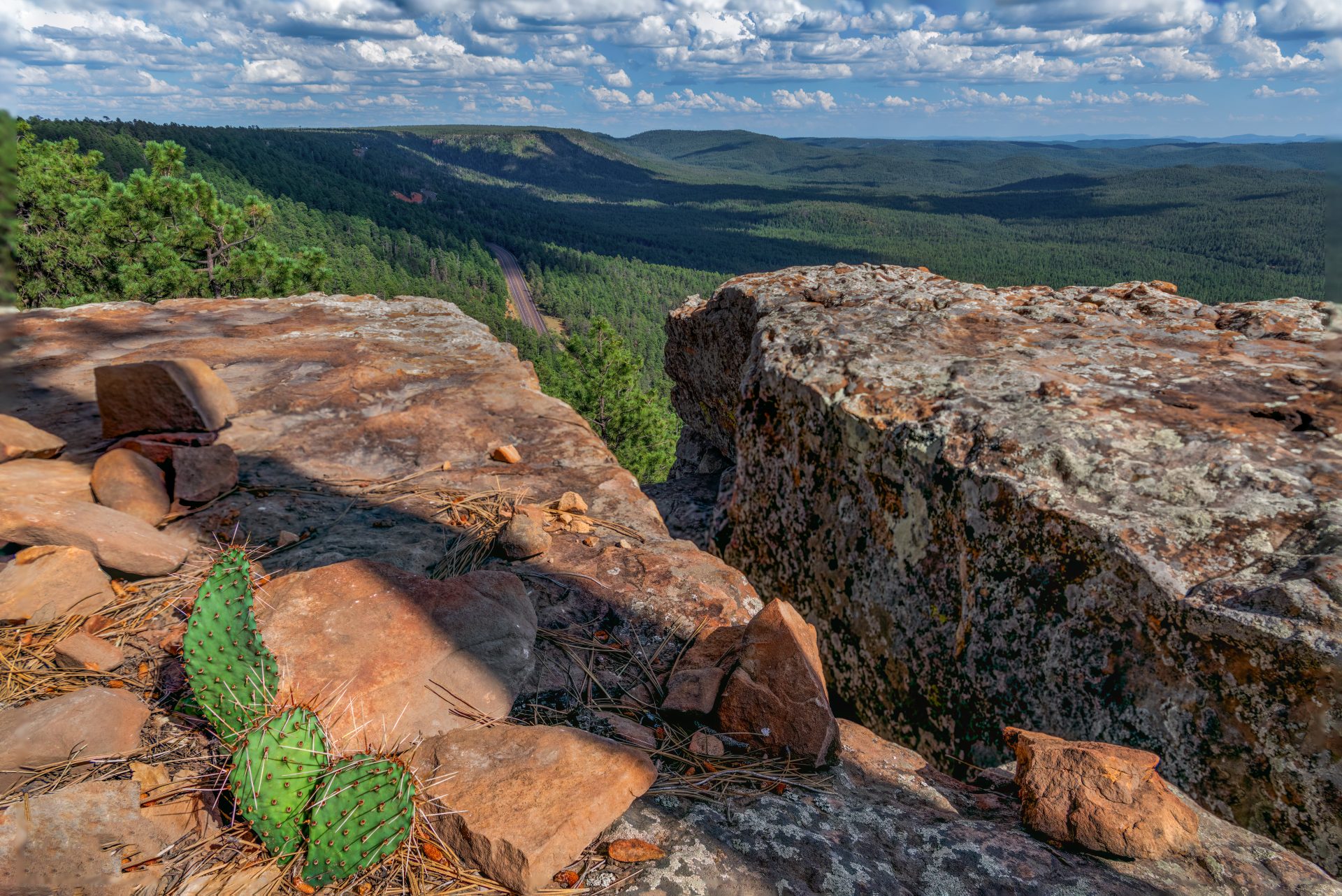
Arizona's High Country refers to elevations above 5,000 feet with cooler temperatures and more diverse landscapes compared to the lower desert. Winter often brings snow and freezing nighttime lows. Despite this, summer temperatures in places like Payson can reach the 90s Fahrenheit. North of Payson, the Mogollon Rim marks the southern edge of the Colorado Plateau, spanning 200 miles across Arizona and New Mexico, offering scenic views of forests and valleys.
Forest Service Road 300, known as the Rim Road, traces an 1880s Army supply route from Fort Verde (now Camp Verde) eastward to Fort Apache located on the White Mountain Apache Reservation. Today, the Rim Road offers access to historical sites, camping areas and stunning vistas along the Mogollon Rim. The region also boasts iconic natural attractions like the Grand Canyon, national forests, historic towns, Native American reservations, and ancient ruins.
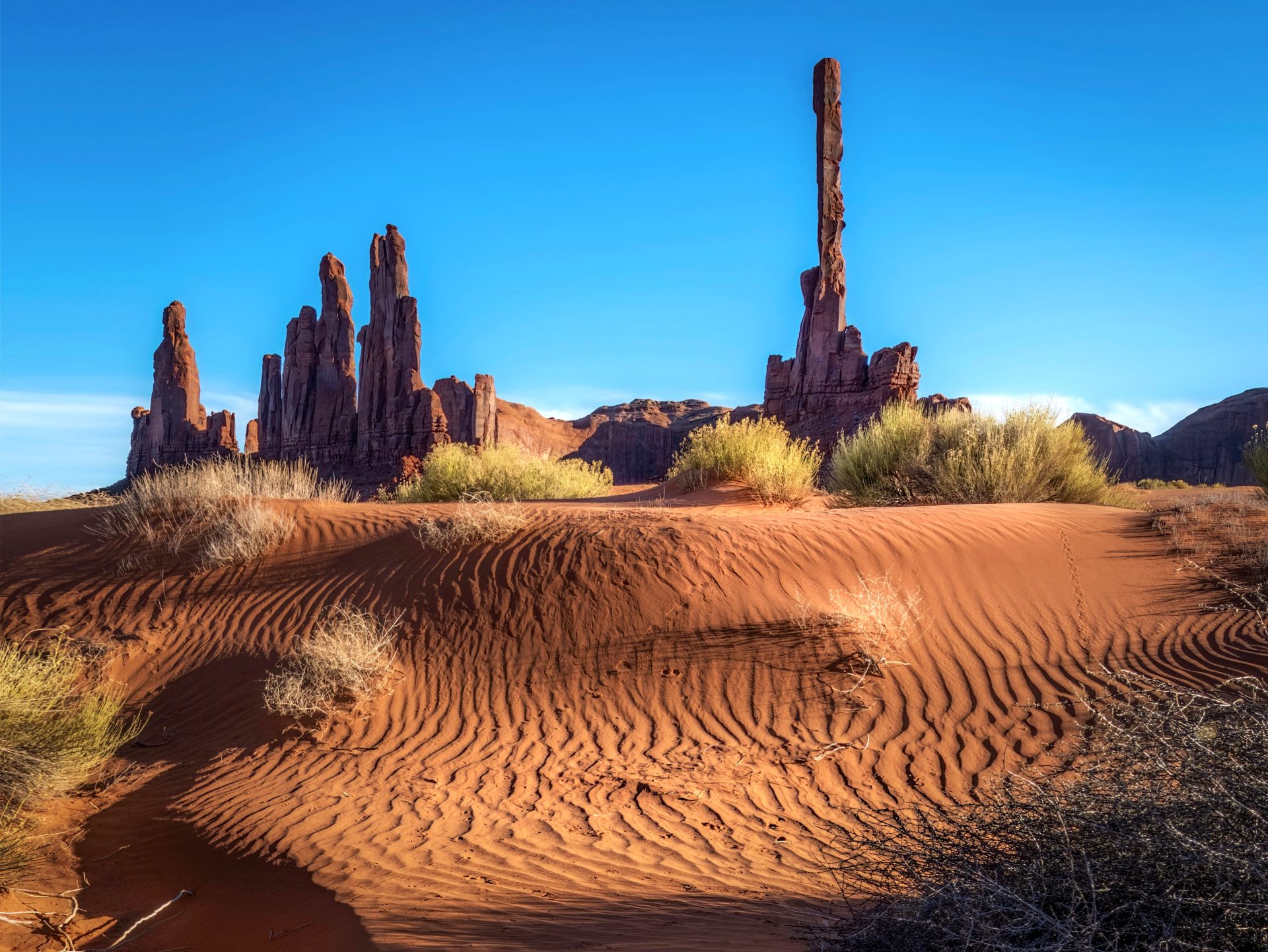
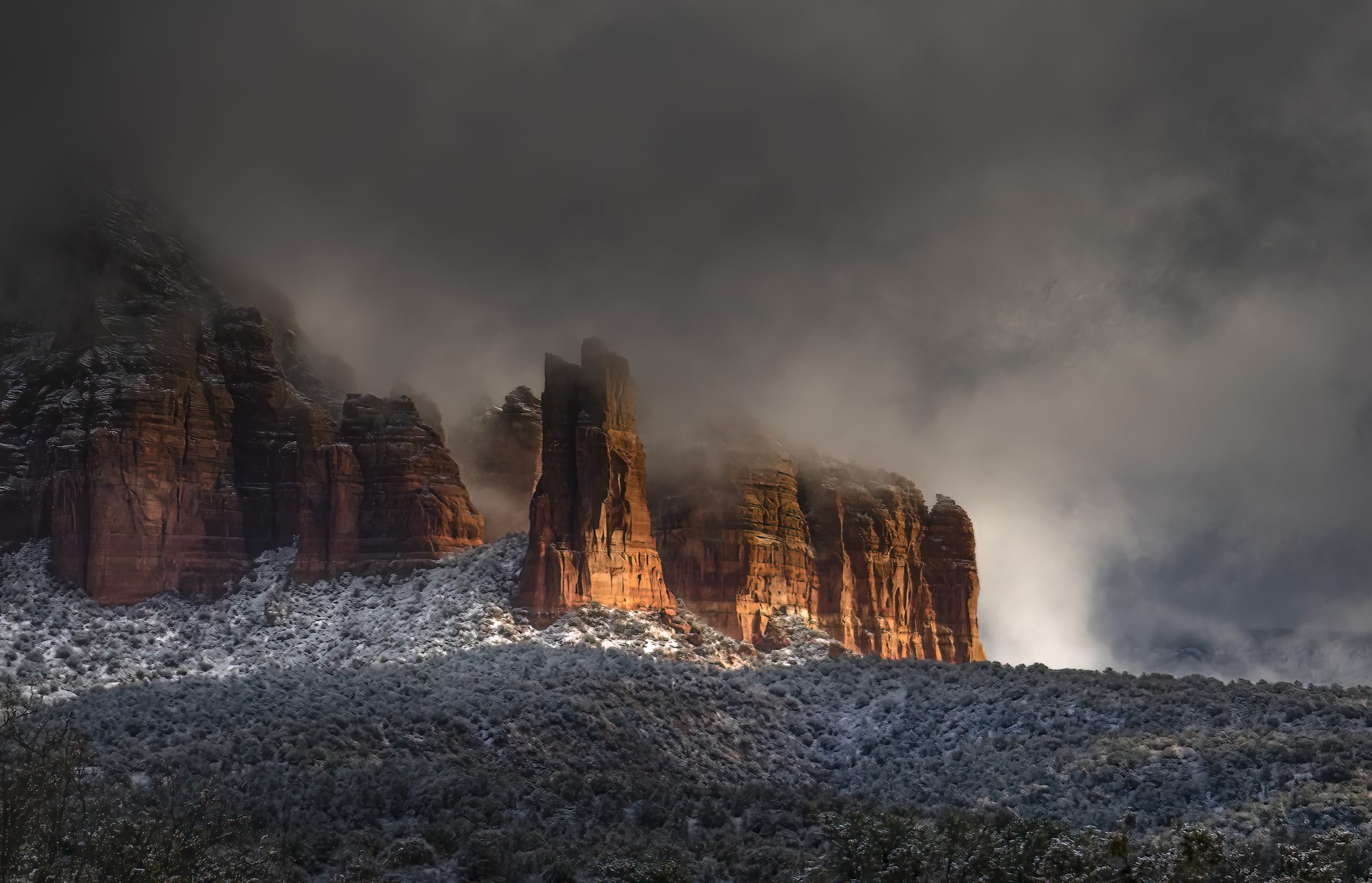
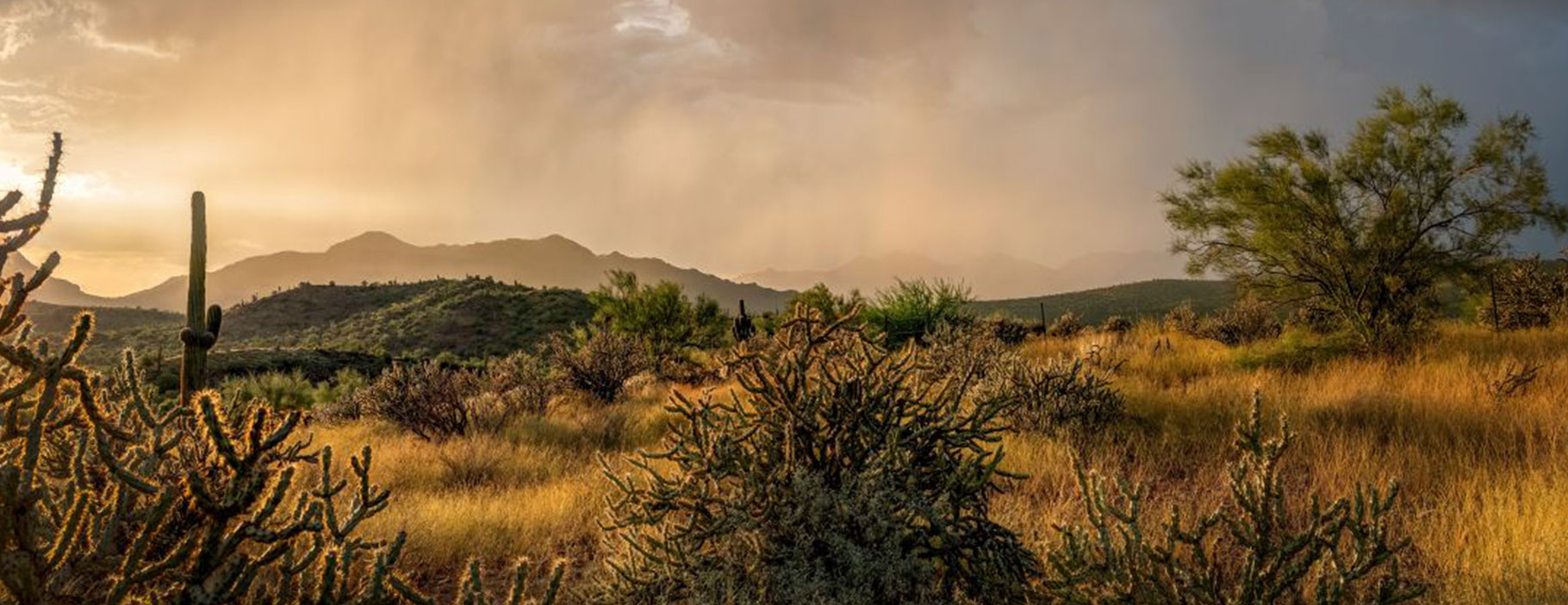
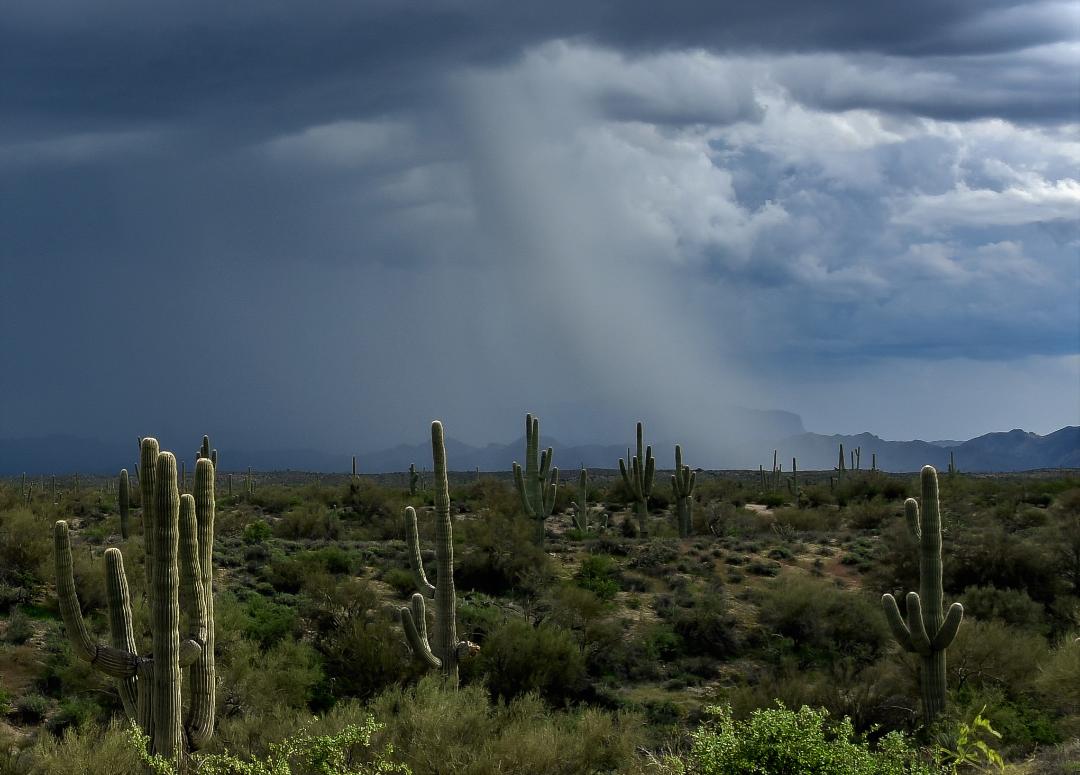
The Sonoran Desert, a gem among arid landscapes, defies stereotypes of desolation with its vibrant life. Contrary to typical desert dryness, this region amazes with summer monsoons that transform parched canyons into rushing torrents. Water quickly evaporates above ground, but below the surface it nourishes the world’s lushest desert, where 2,000 plant species thrive.
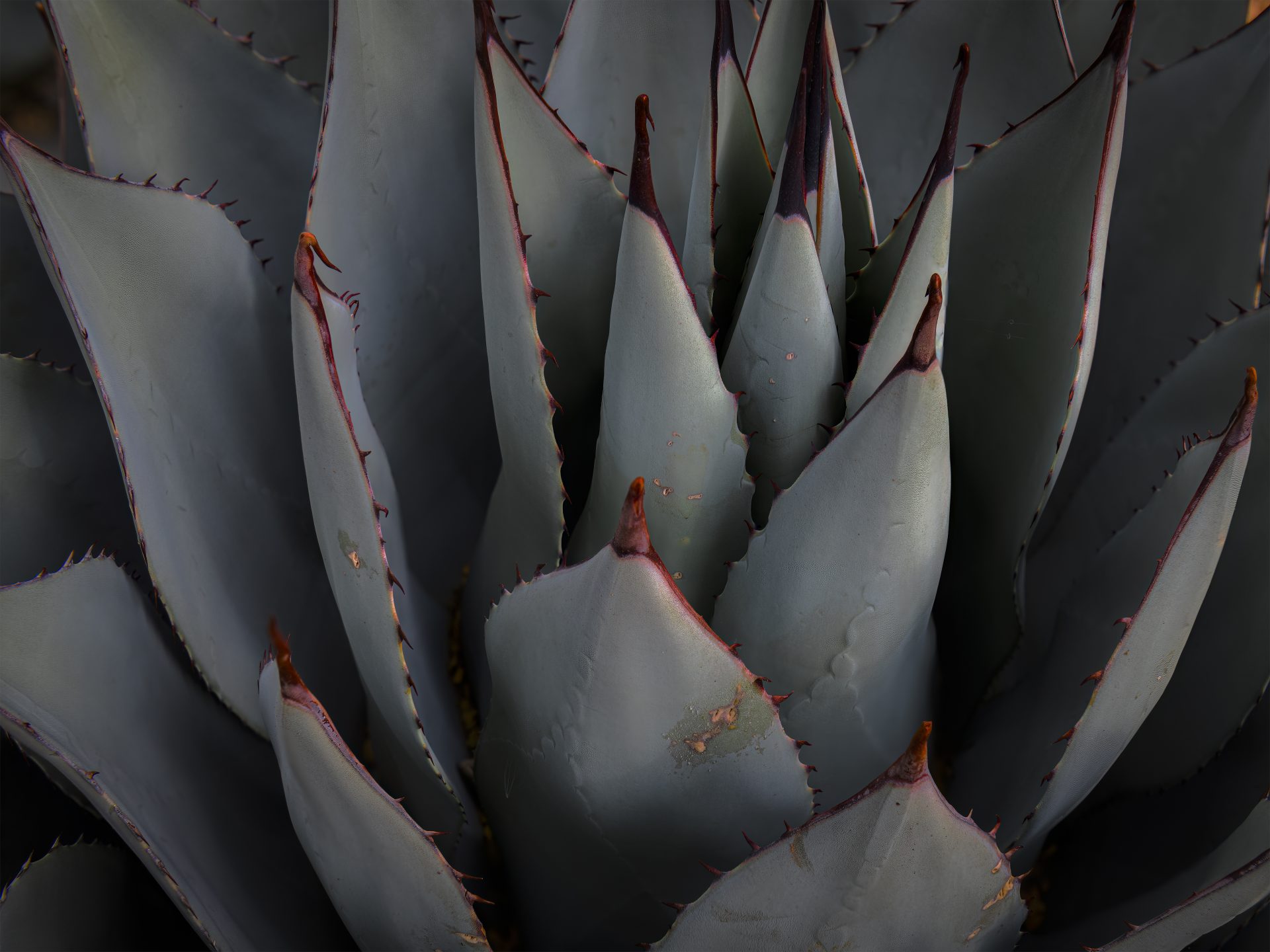
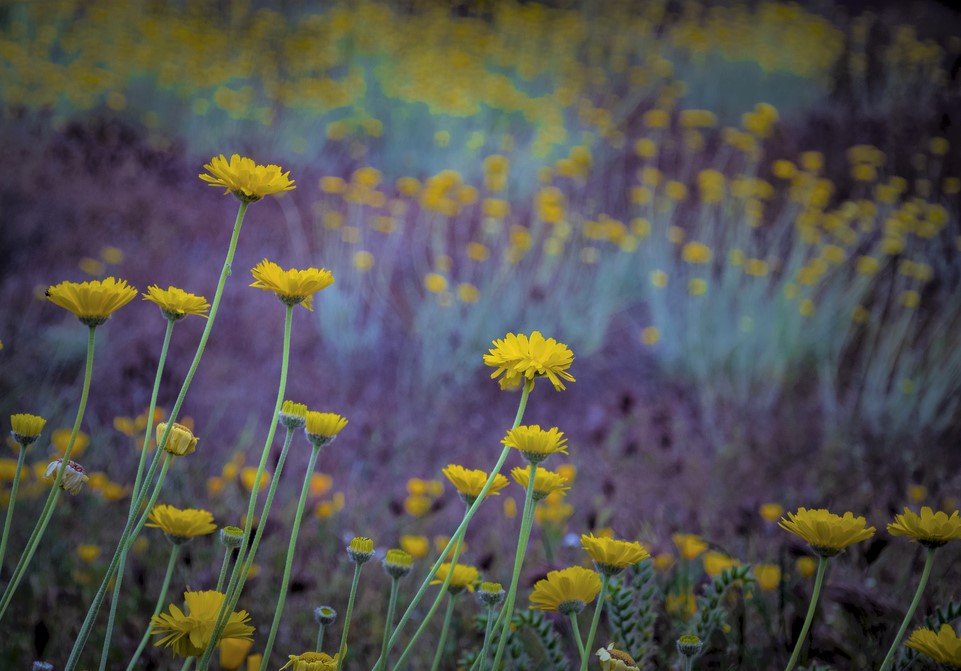
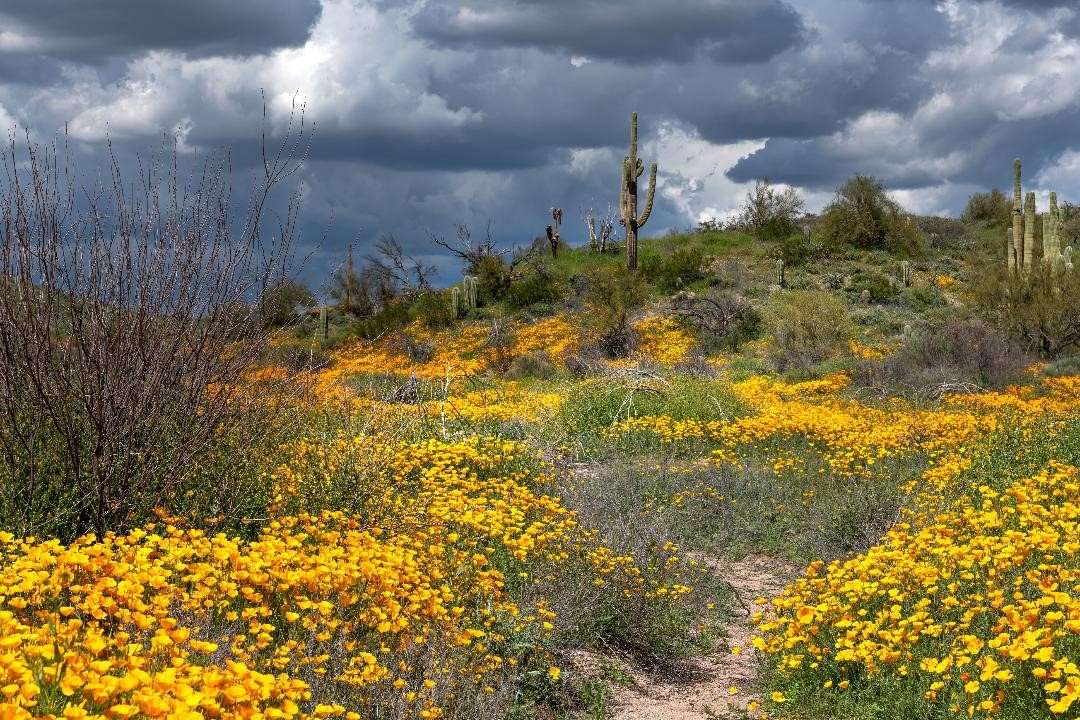
Year-round, the succulents win our attention — towering saguaros, chubby barrel cactuses, branching chollas. But in spring, delicate wildflowers compete for the limelight, painting the desert floor in a fleeting, almost surreal show of golden poppies, blue-purple lupine, yellow brittlebush and red-flowered chuparosa. In every facet, the Sonoran Desert captivates as a testament to resilience and natural wonder.
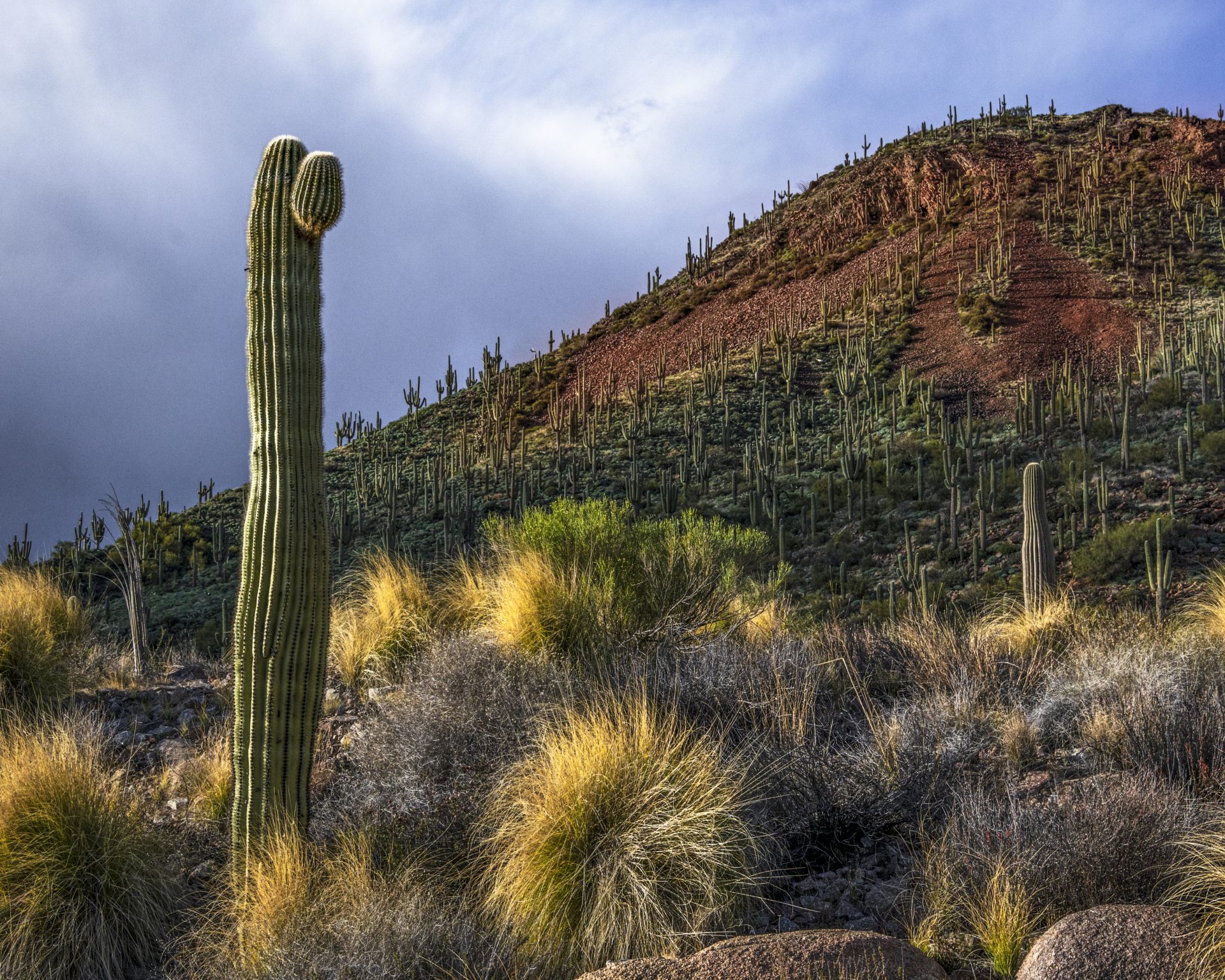
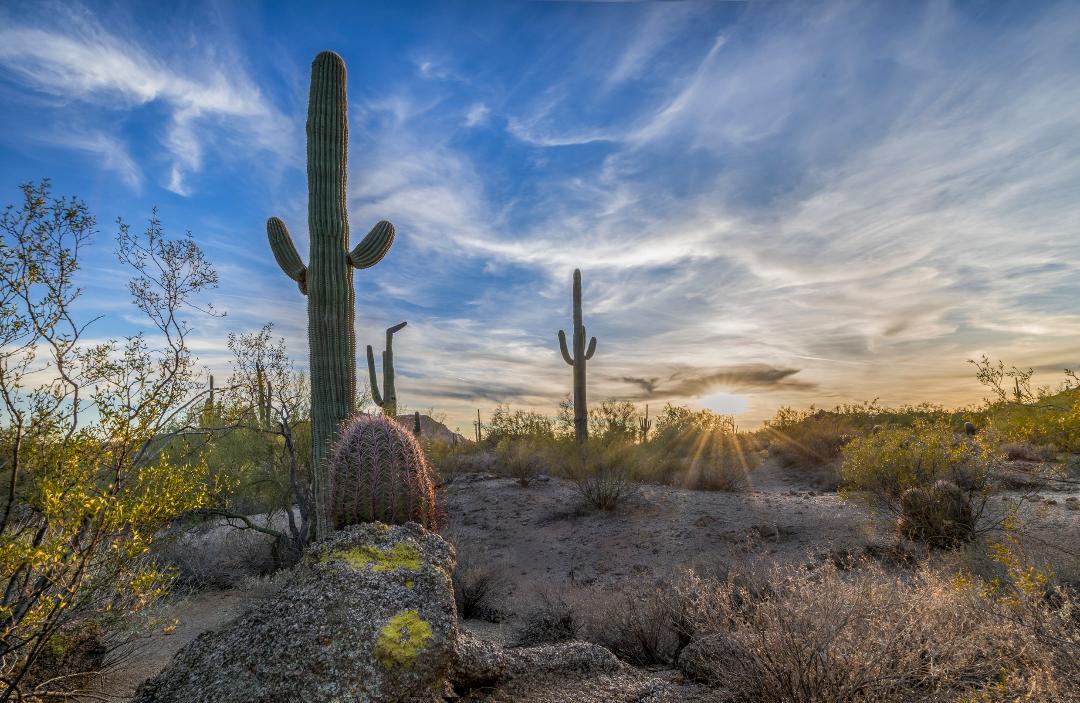
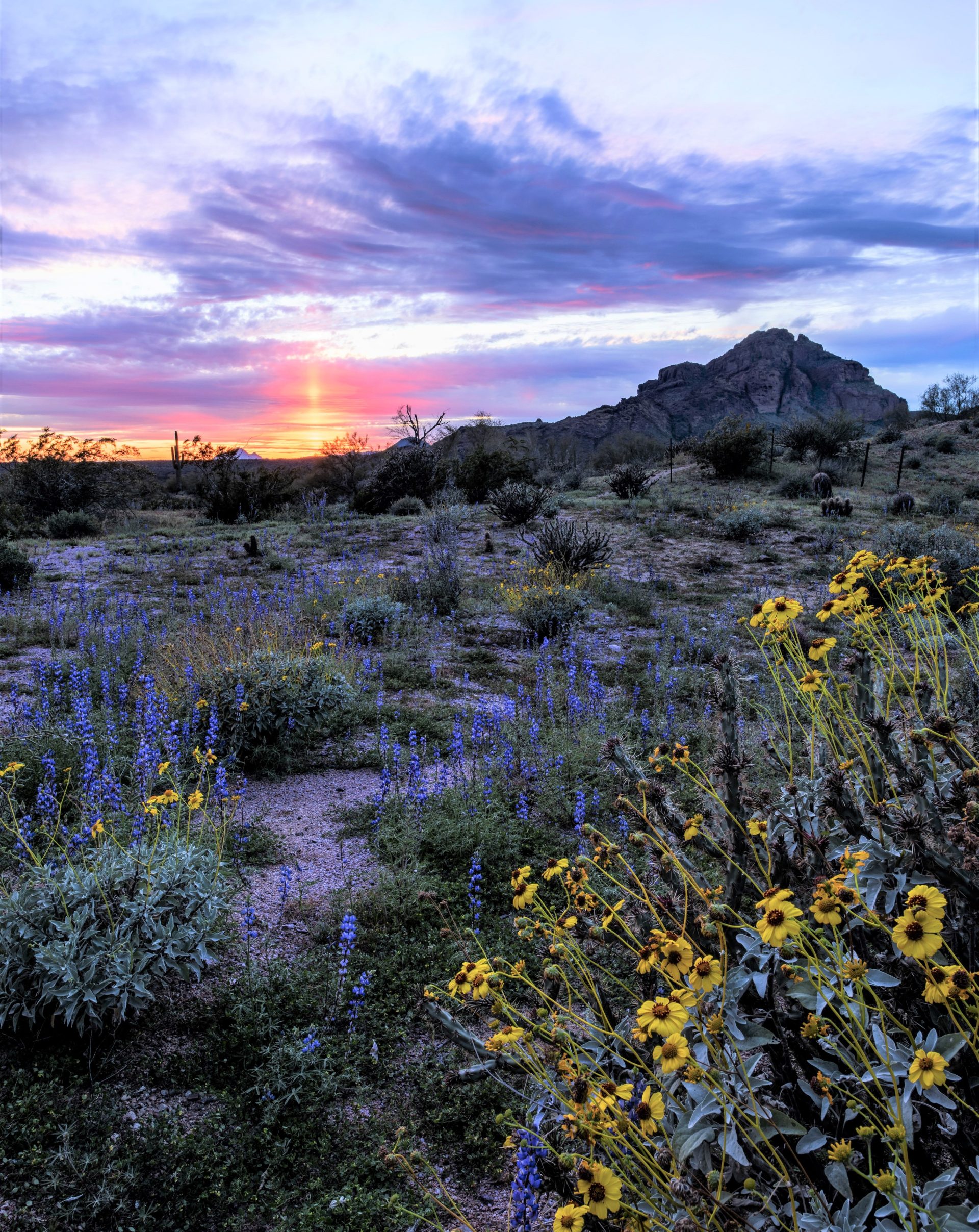
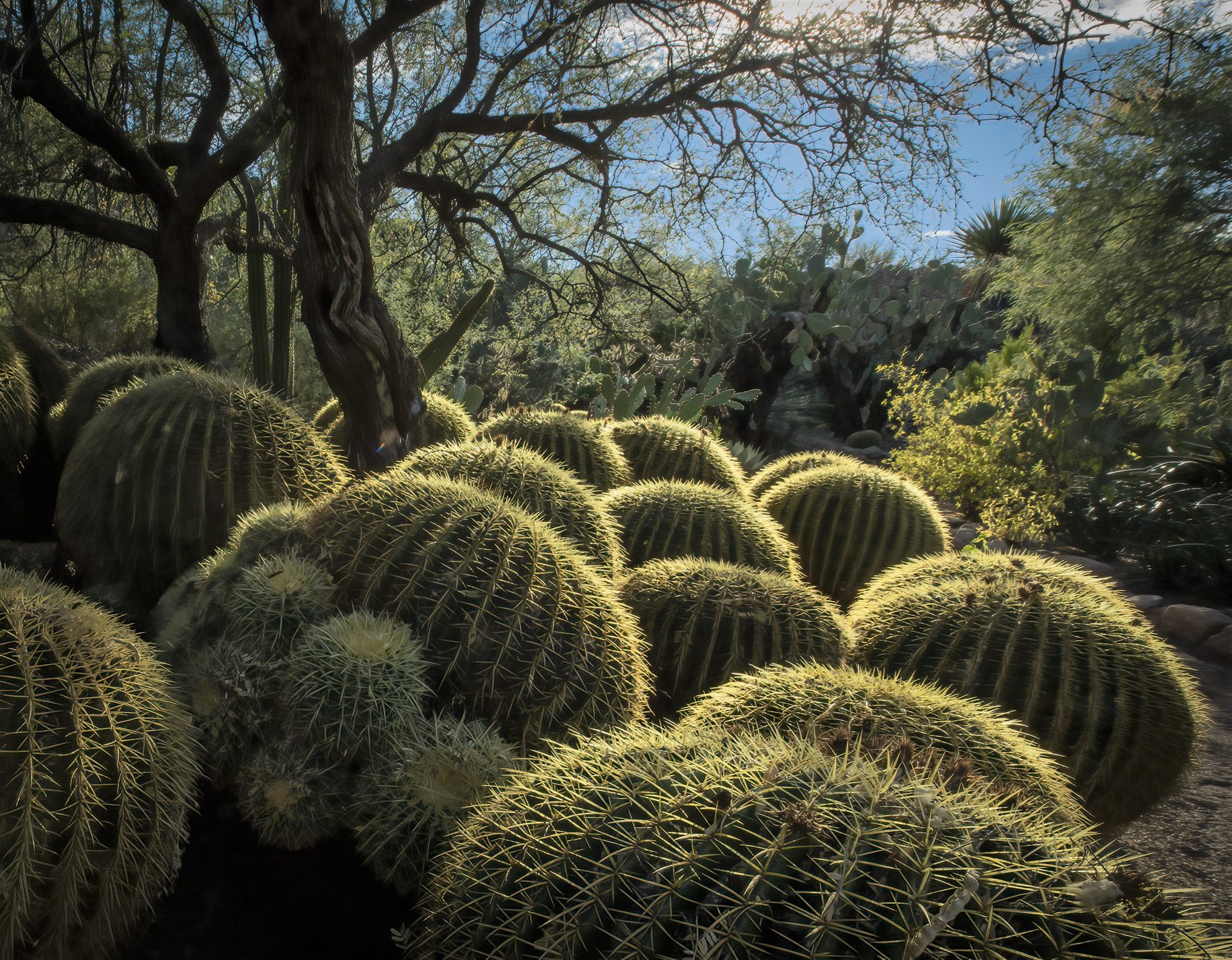
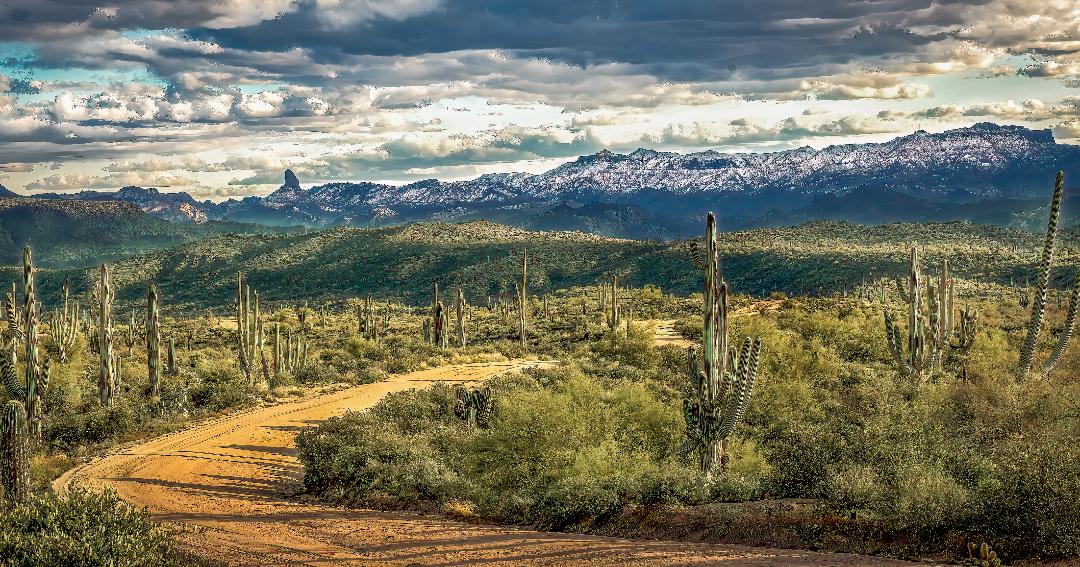
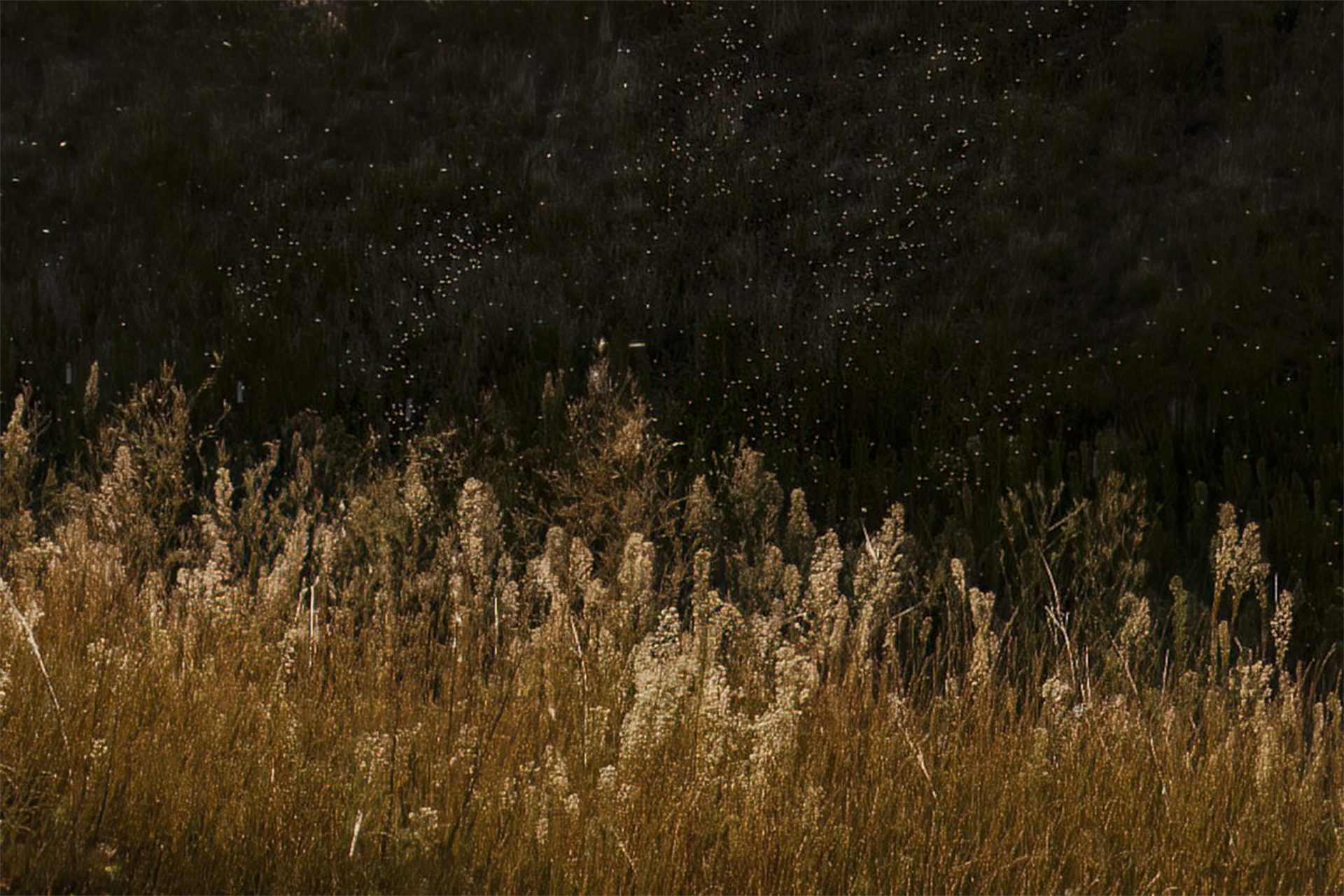
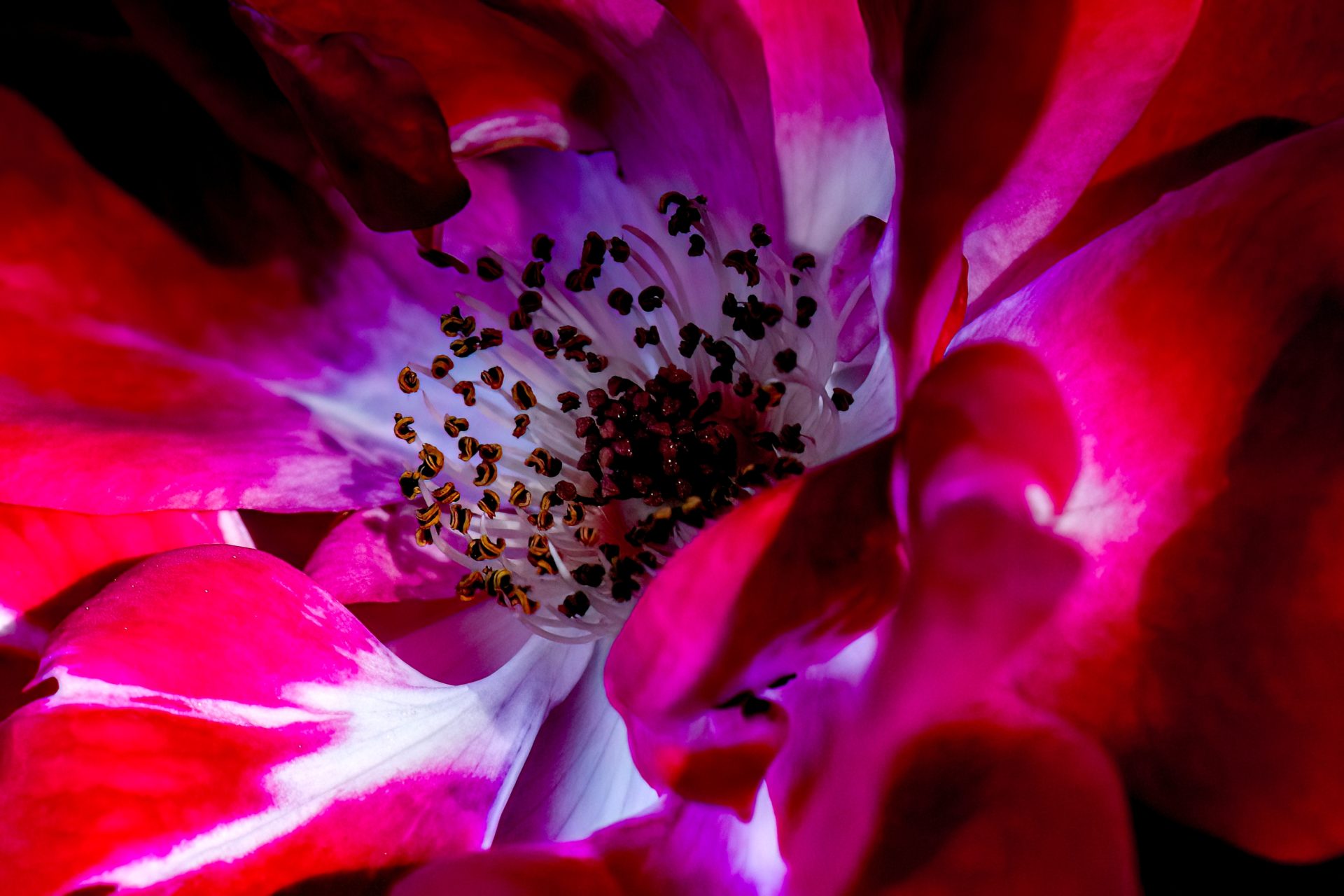
Arizona's flowering plants can bloom throughout the year, with springtime being the best opportunity to view unforgettably vibrant hues of color. When late winter and early spring rains are plentiful, Arizona's deserts burst into life from late February through April, attracting visitors from around the globe to marvel at the stunning spectacle.
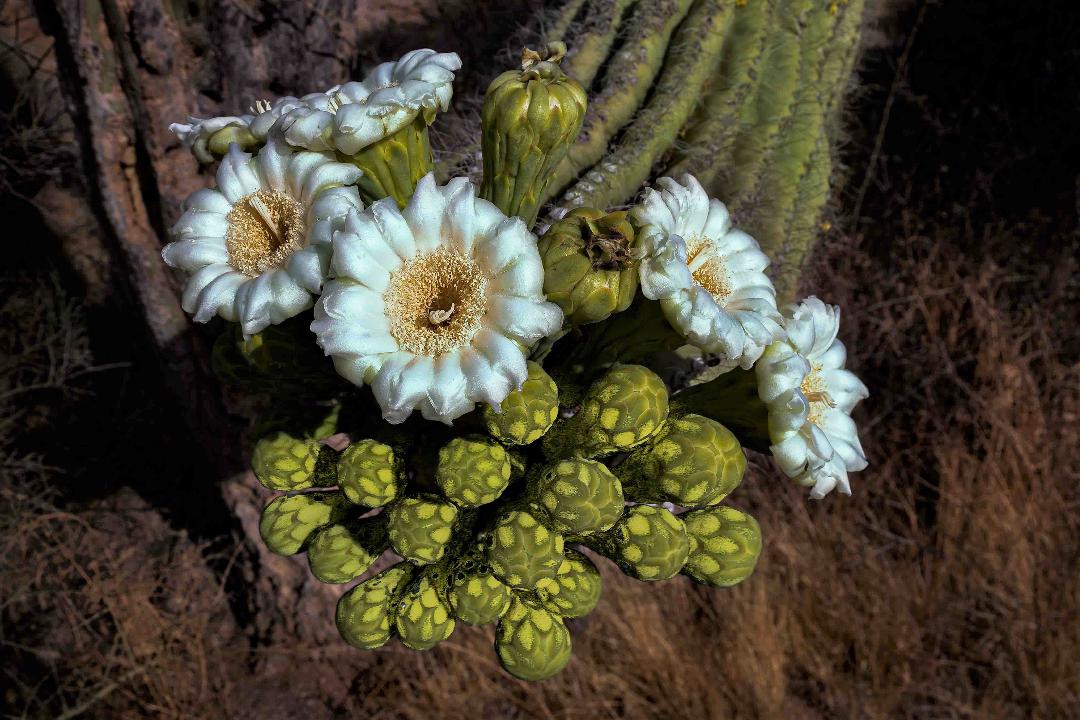
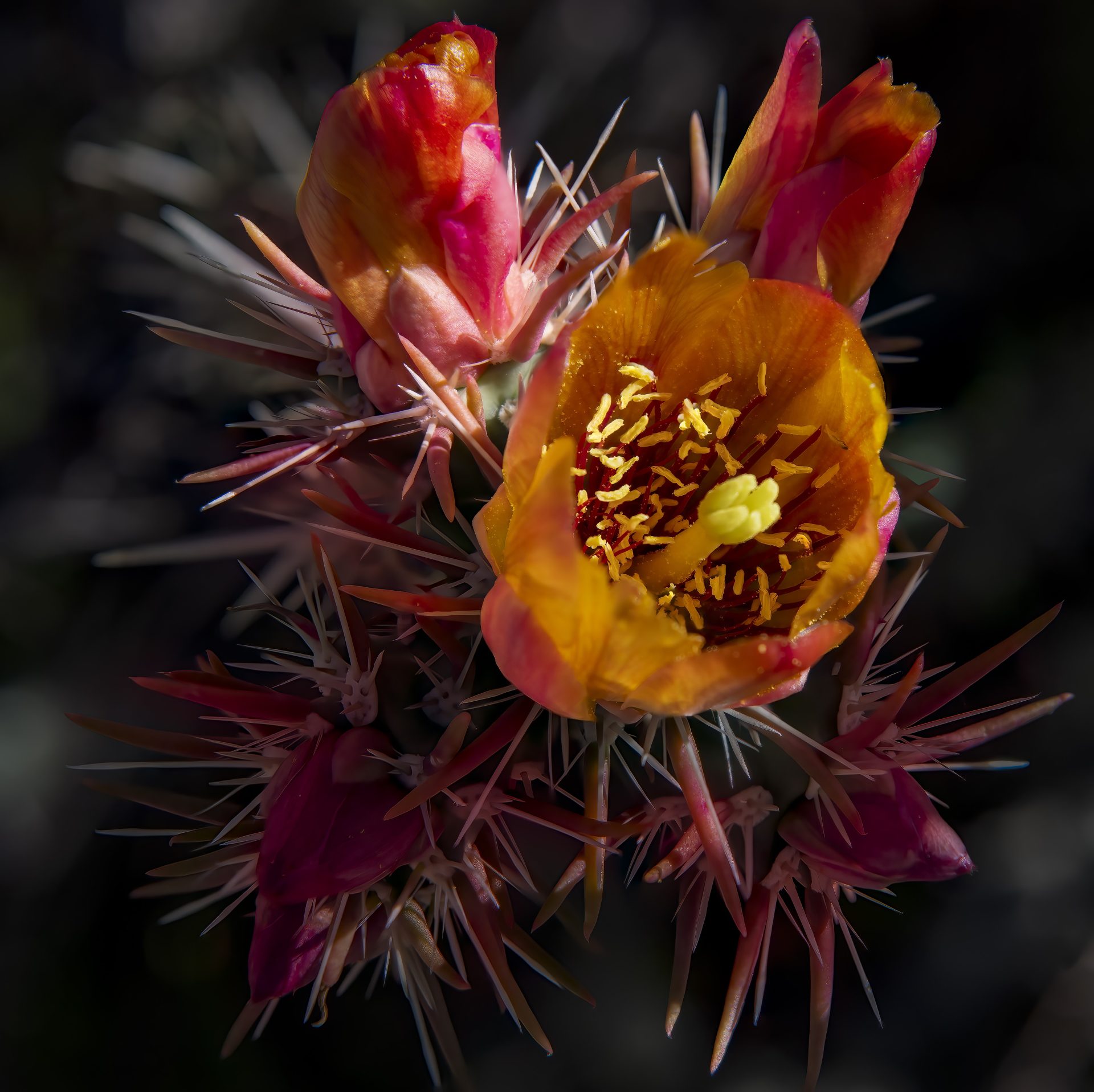
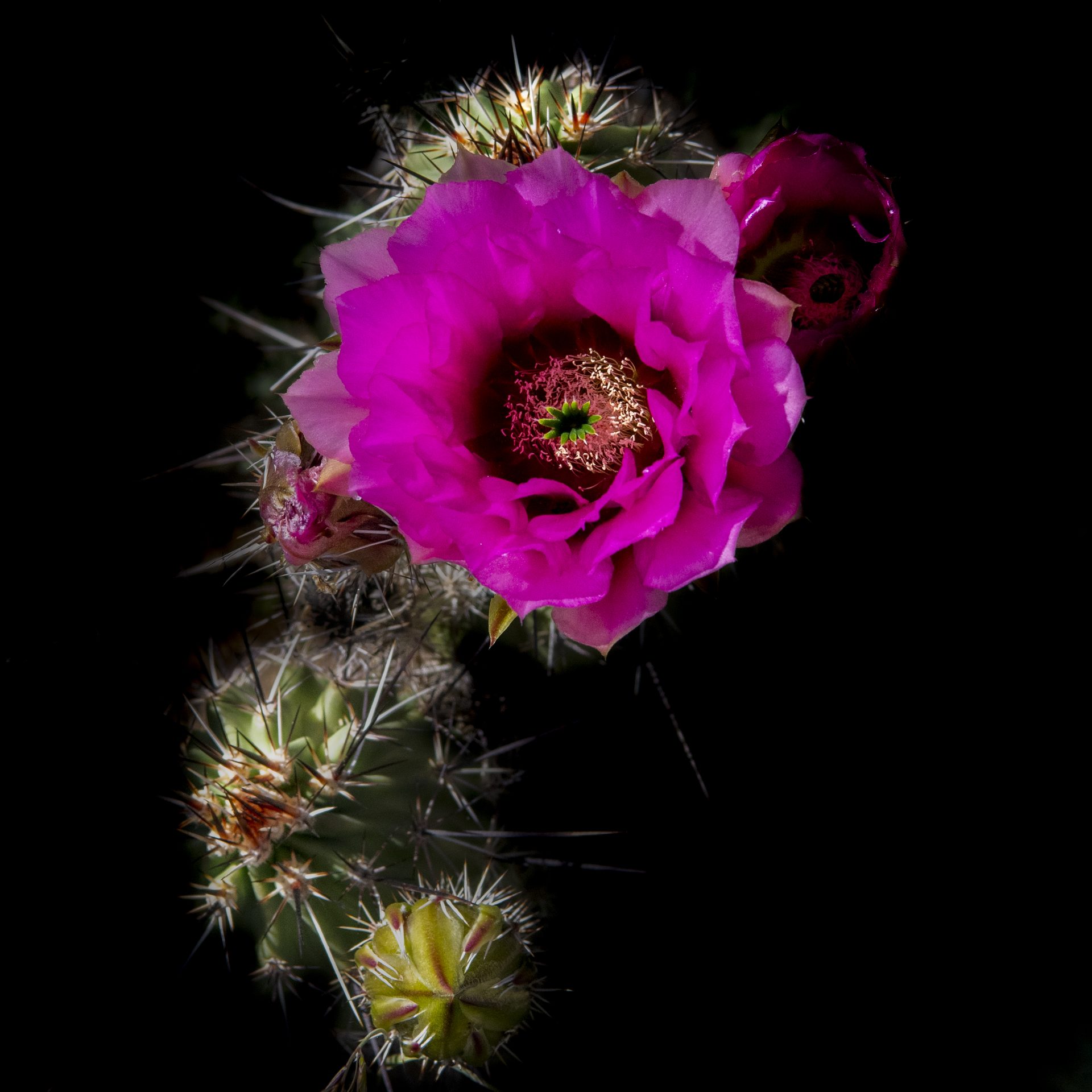
Cactus blooms are also a spectacular sight, often defying expectations associated with their thorny and barren reputation. Beyond the visual appeal, these blooms play a pivotal role in the desert ecosystem by drawing in essential pollinators like bees, butterflies, bats, and birds. The timing and duration of cactus blooms vary due to factors such as rainfall, temperature, and elevation, making each bloom season a unique experience within Arizona's desert landscapes.
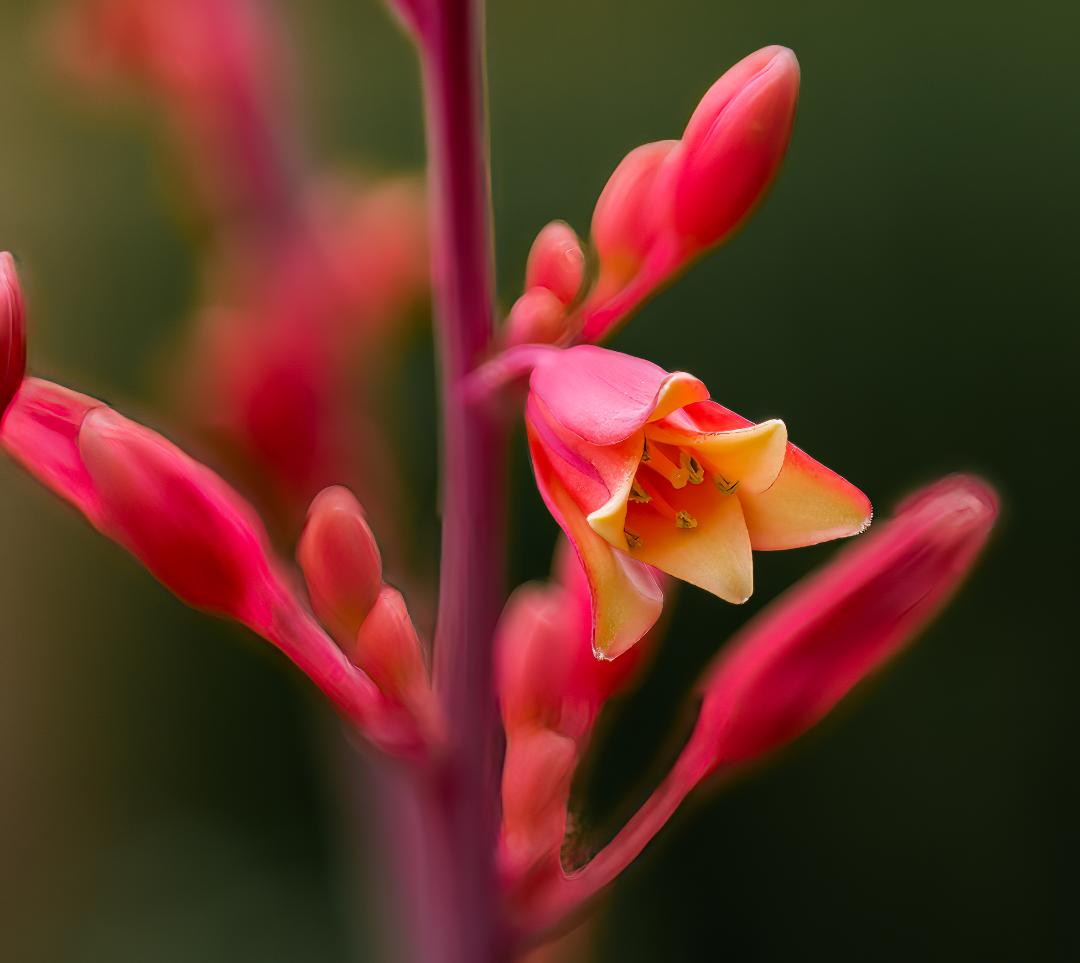
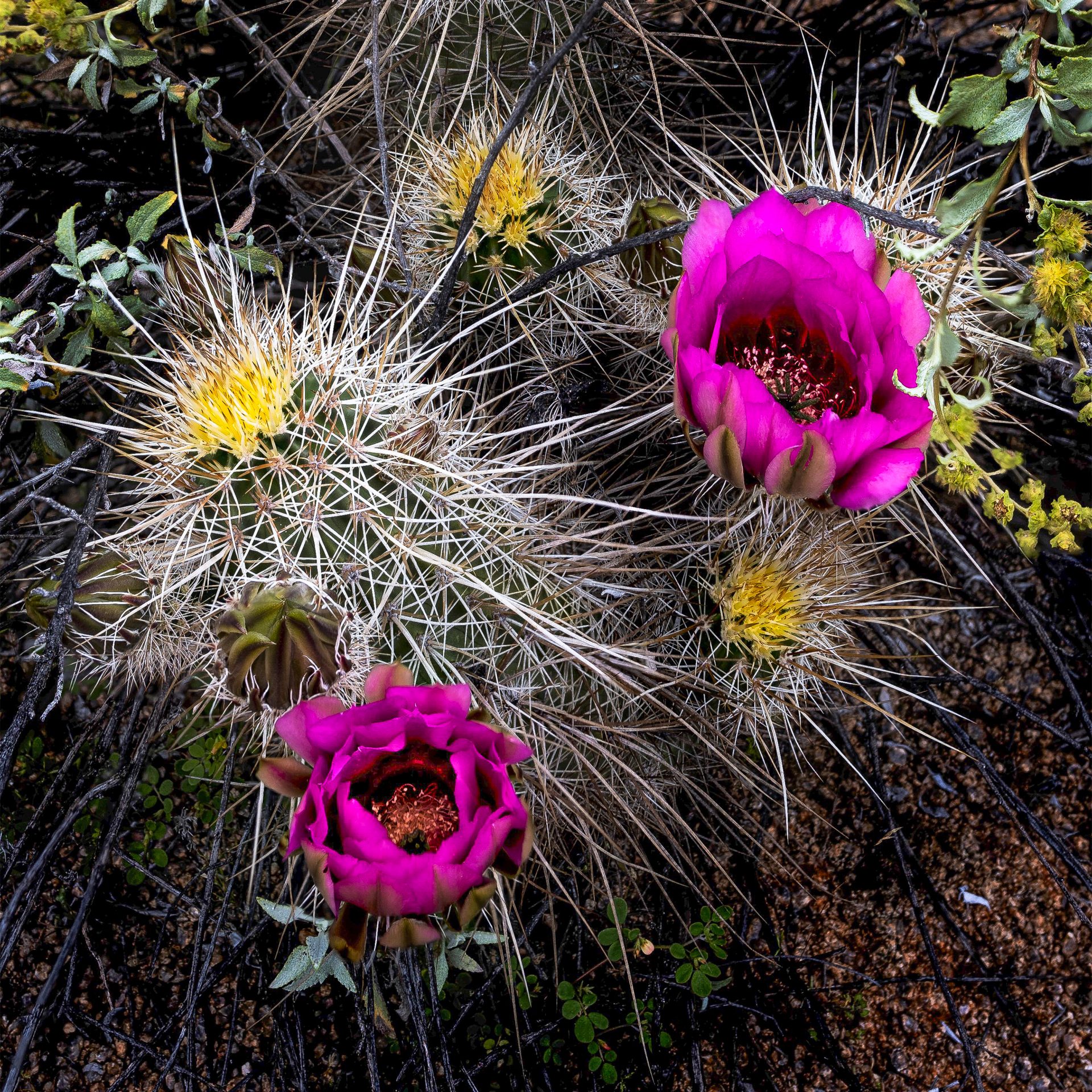
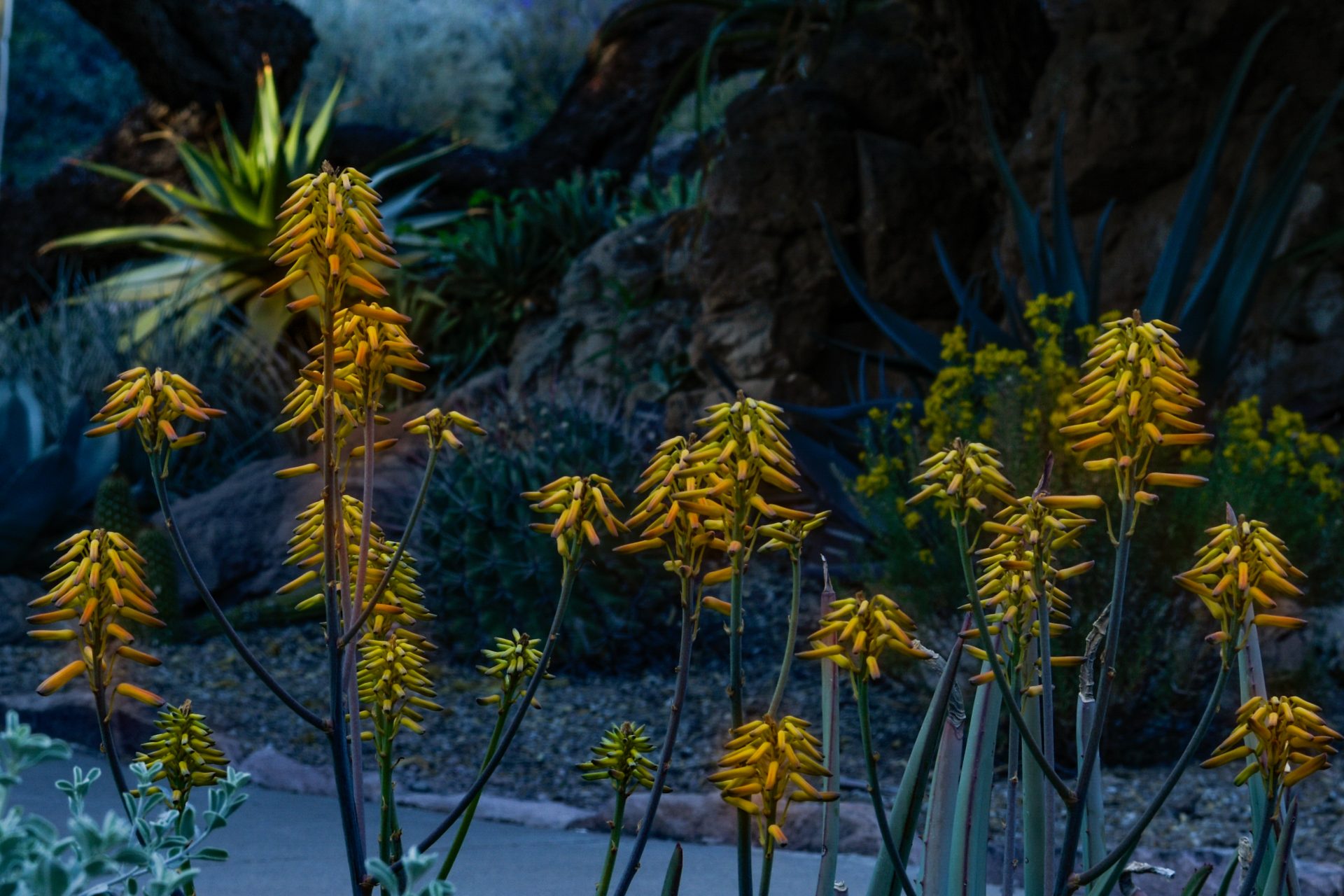
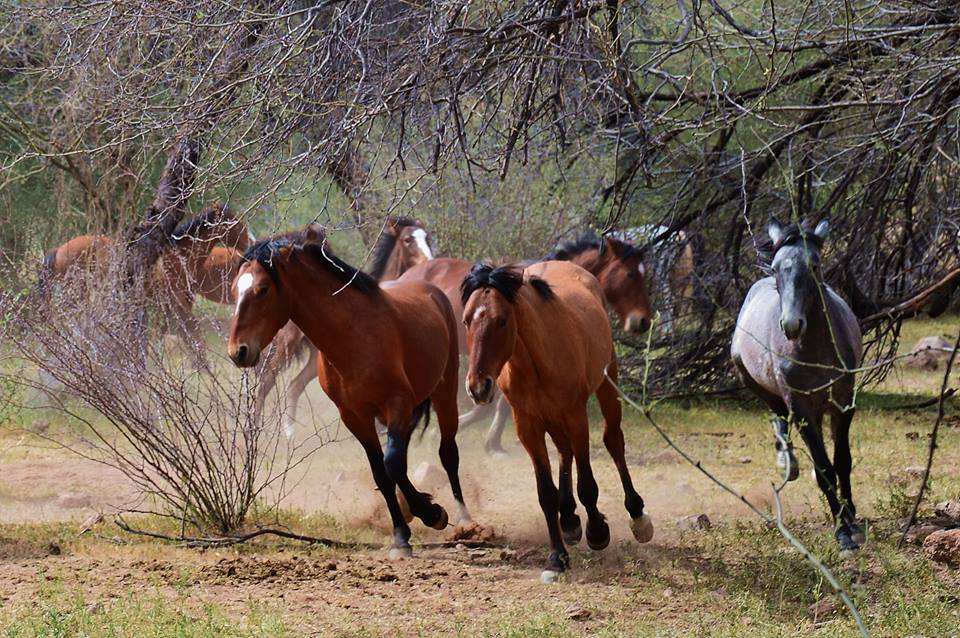
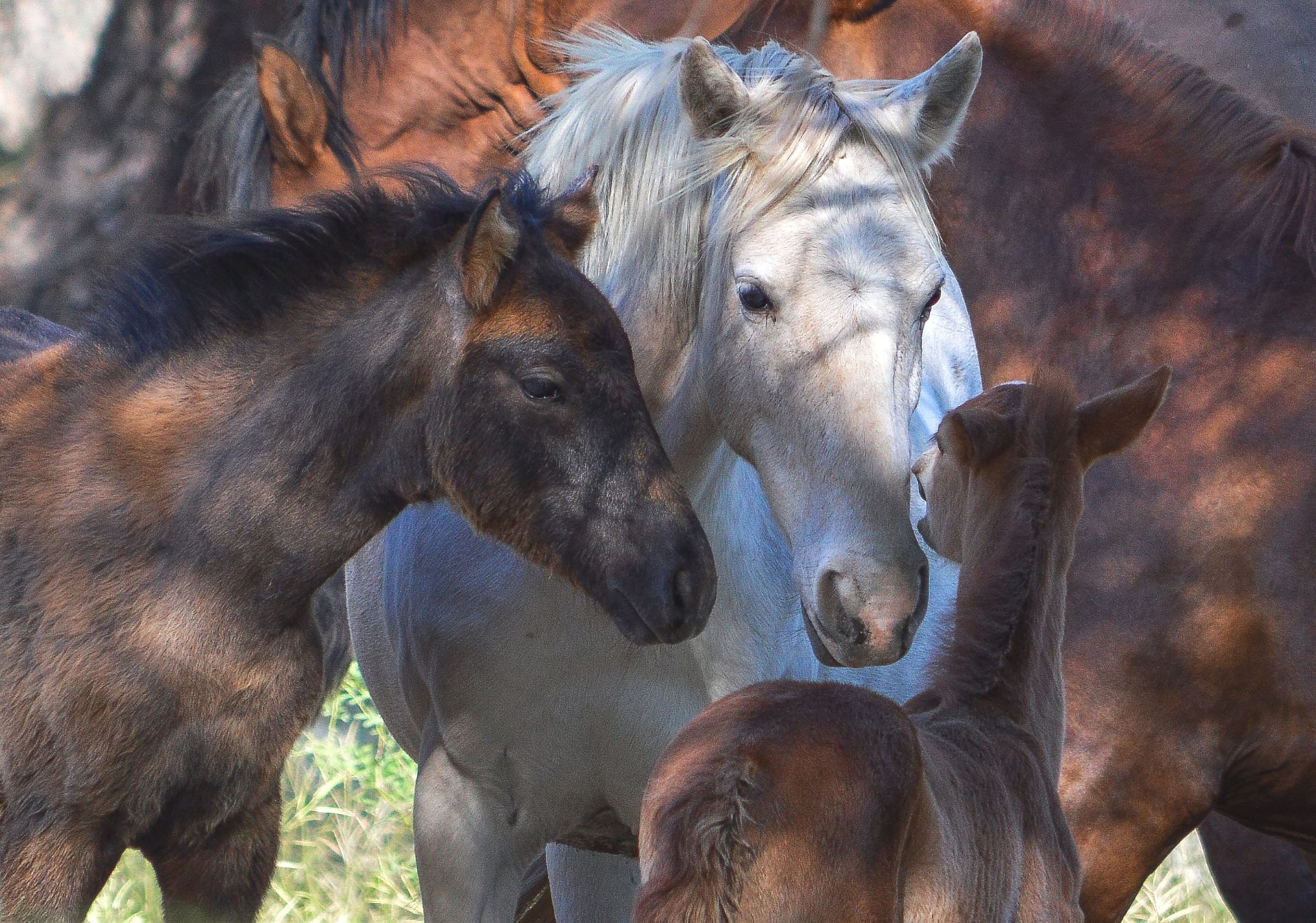
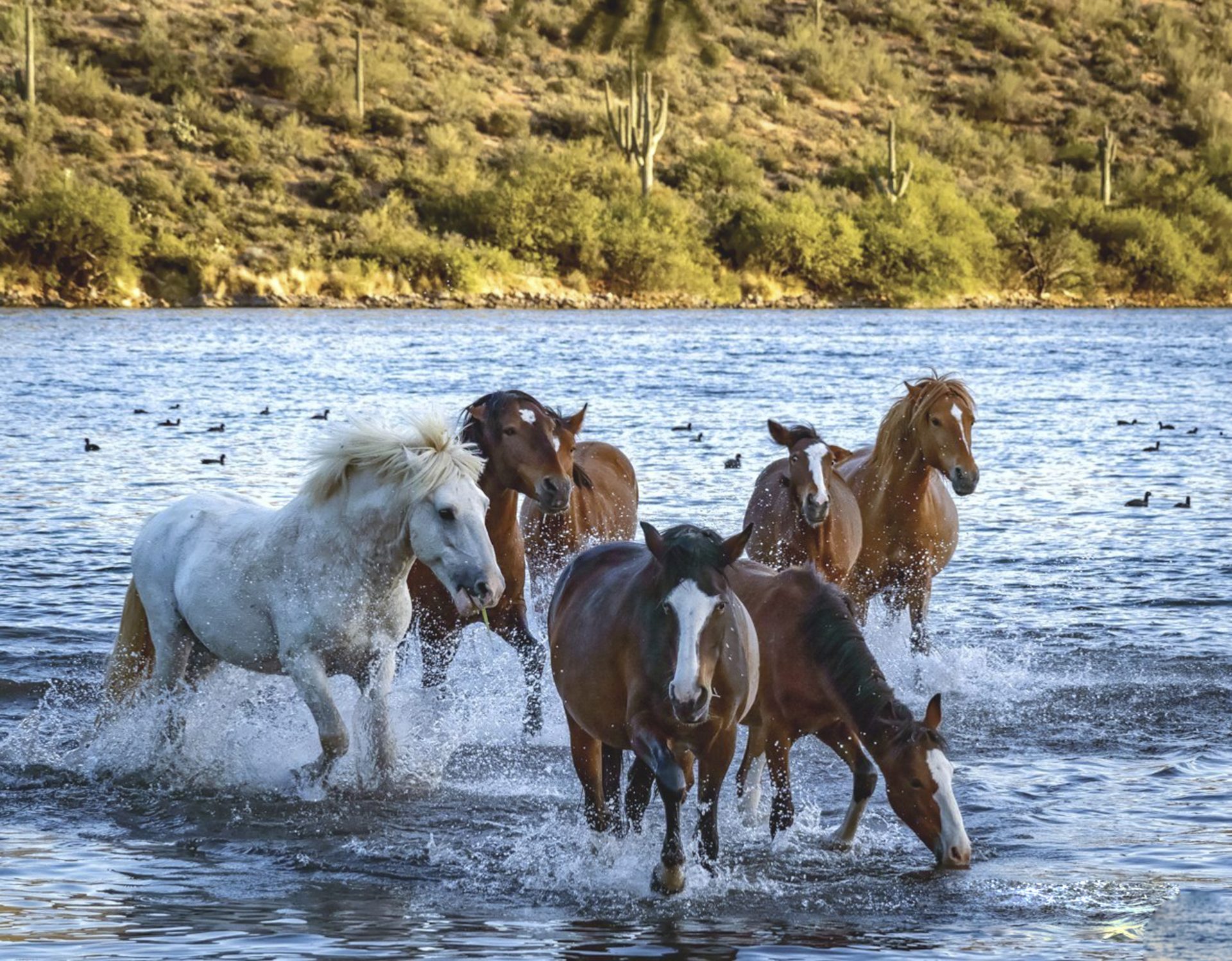
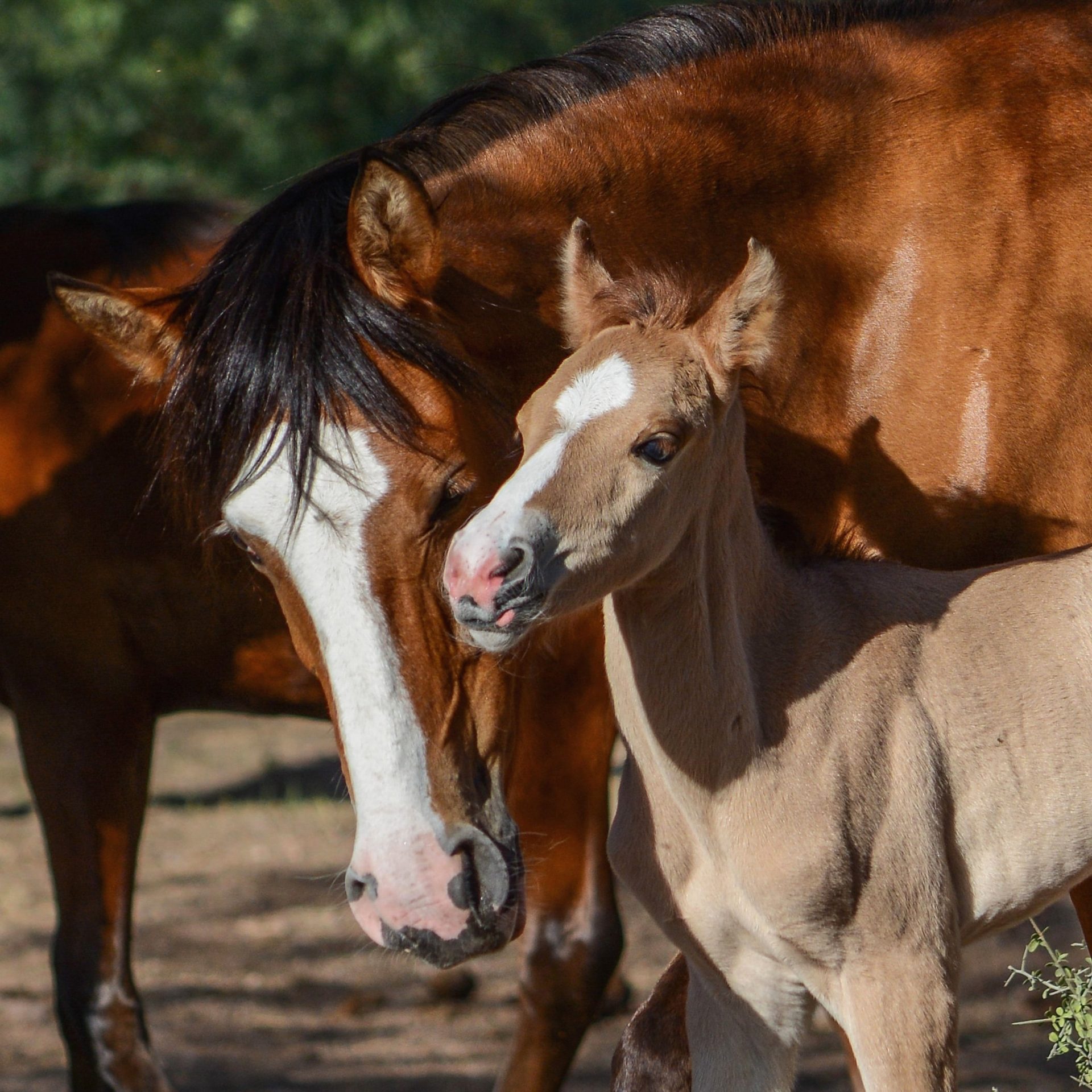
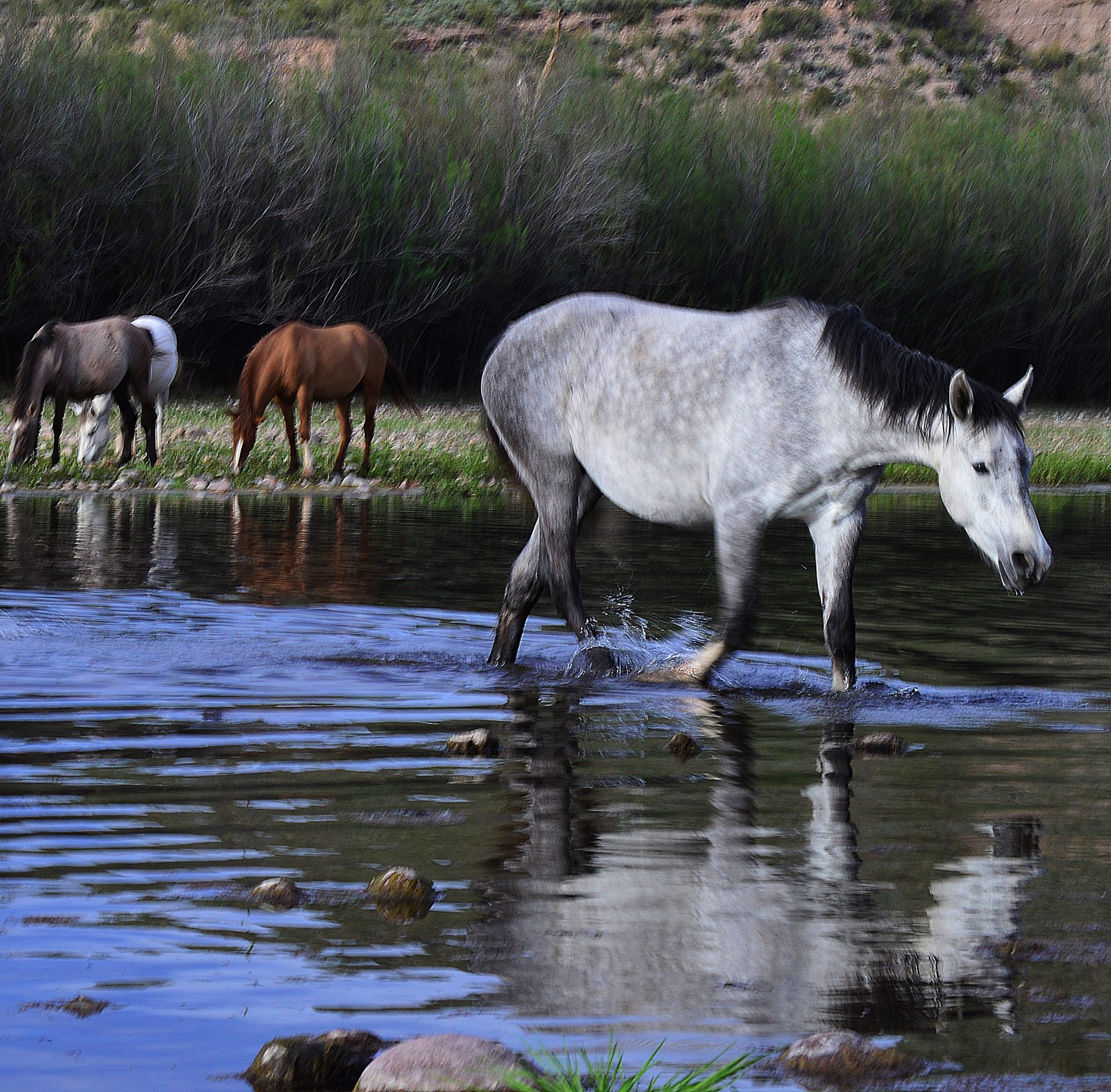
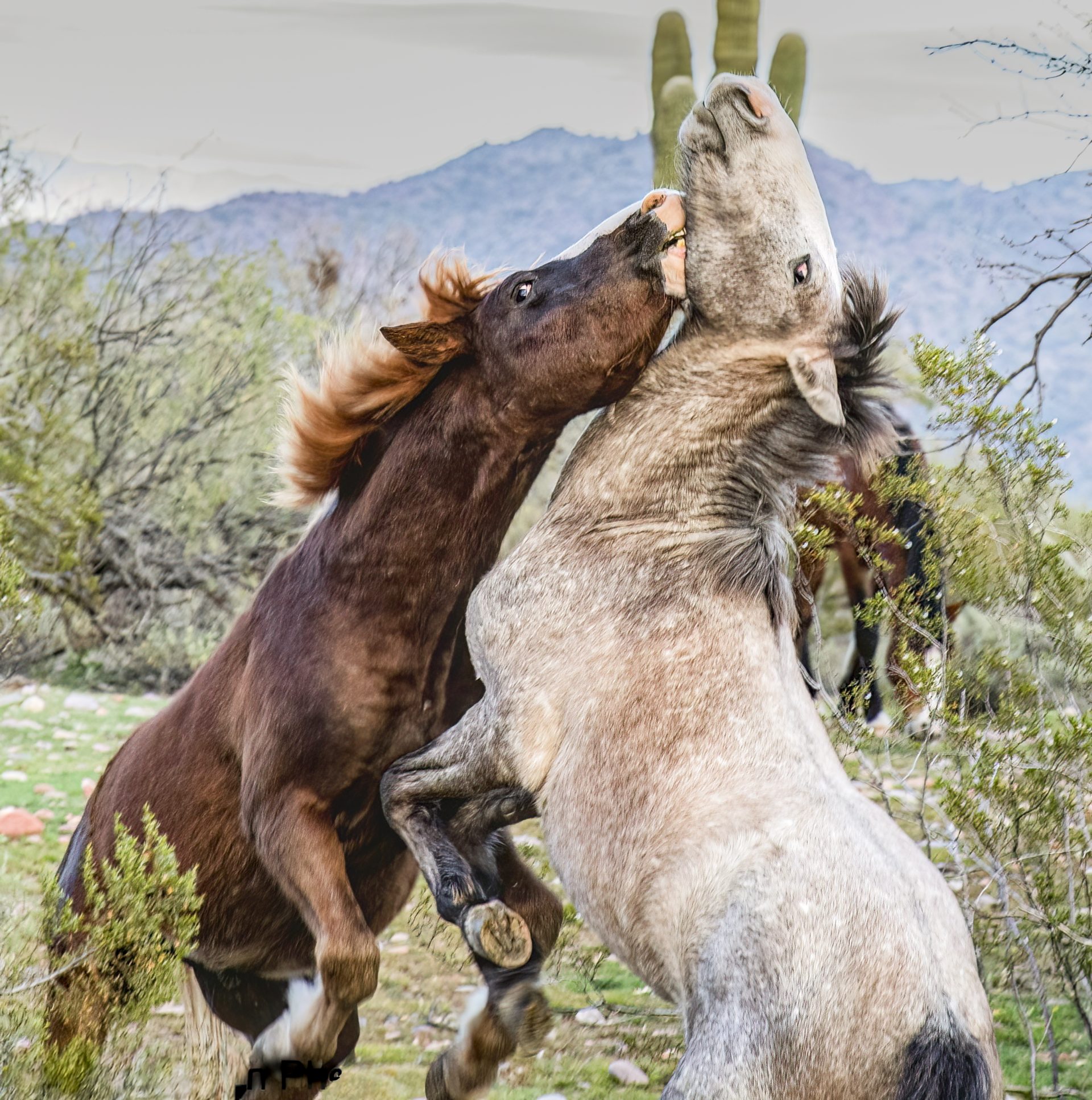
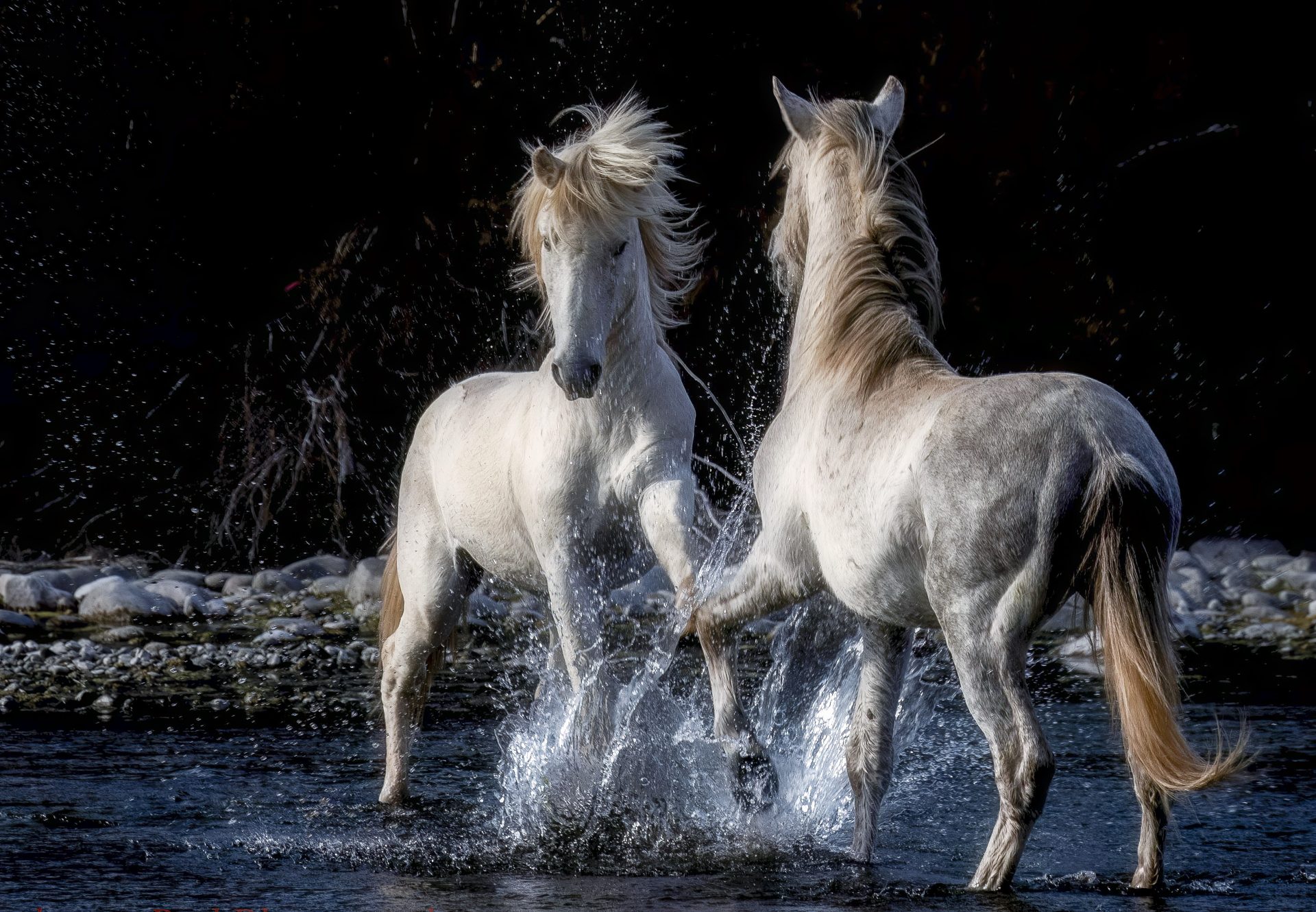
The Salt River wild horses are a group of free-roaming horses that live in the Tonto National Forest along the lower Salt River in Arizona. They are known for their unique genetic heritage, their adaptation to the desert environment and are locally celebrated for their resilience. These horses have been a part of Arizona's heritage for centuries and have become a symbol of the American West.
In recent years, there has been significant attention and conservation efforts focused on protecting and managing these horses due to their cultural significance and the threats they face from development, habitat loss, and human interaction. Various organizations and stakeholders have been involved in efforts to ensure the welfare and preservation of the Salt River wild horses while also managing their impact on the surrounding ecosystem.
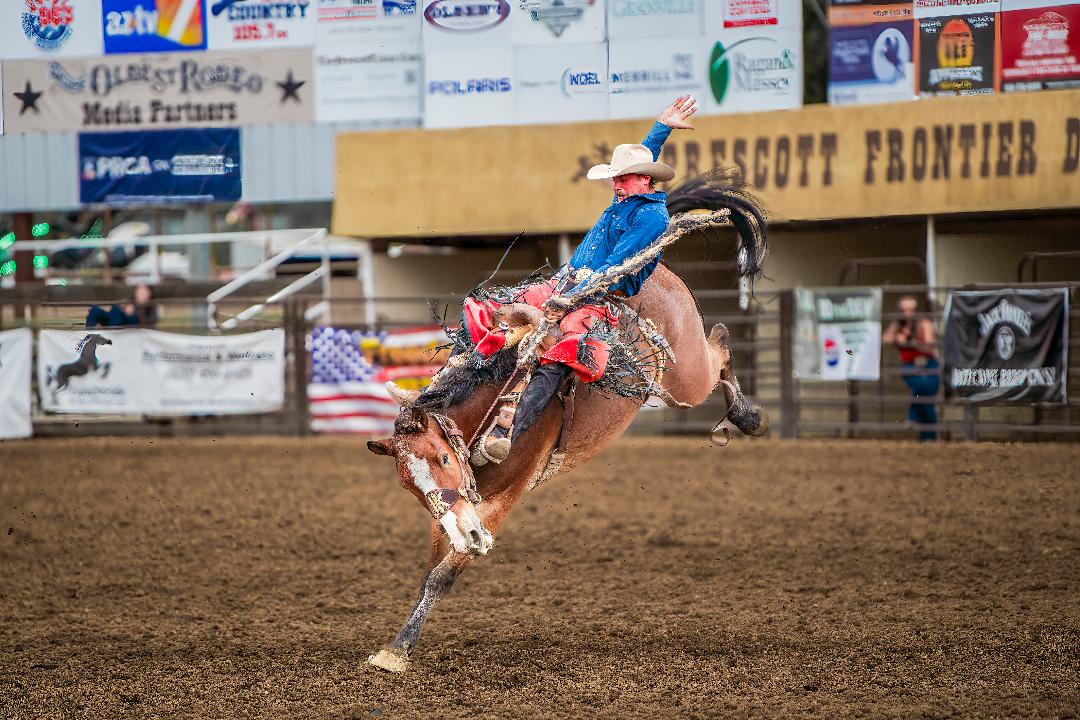
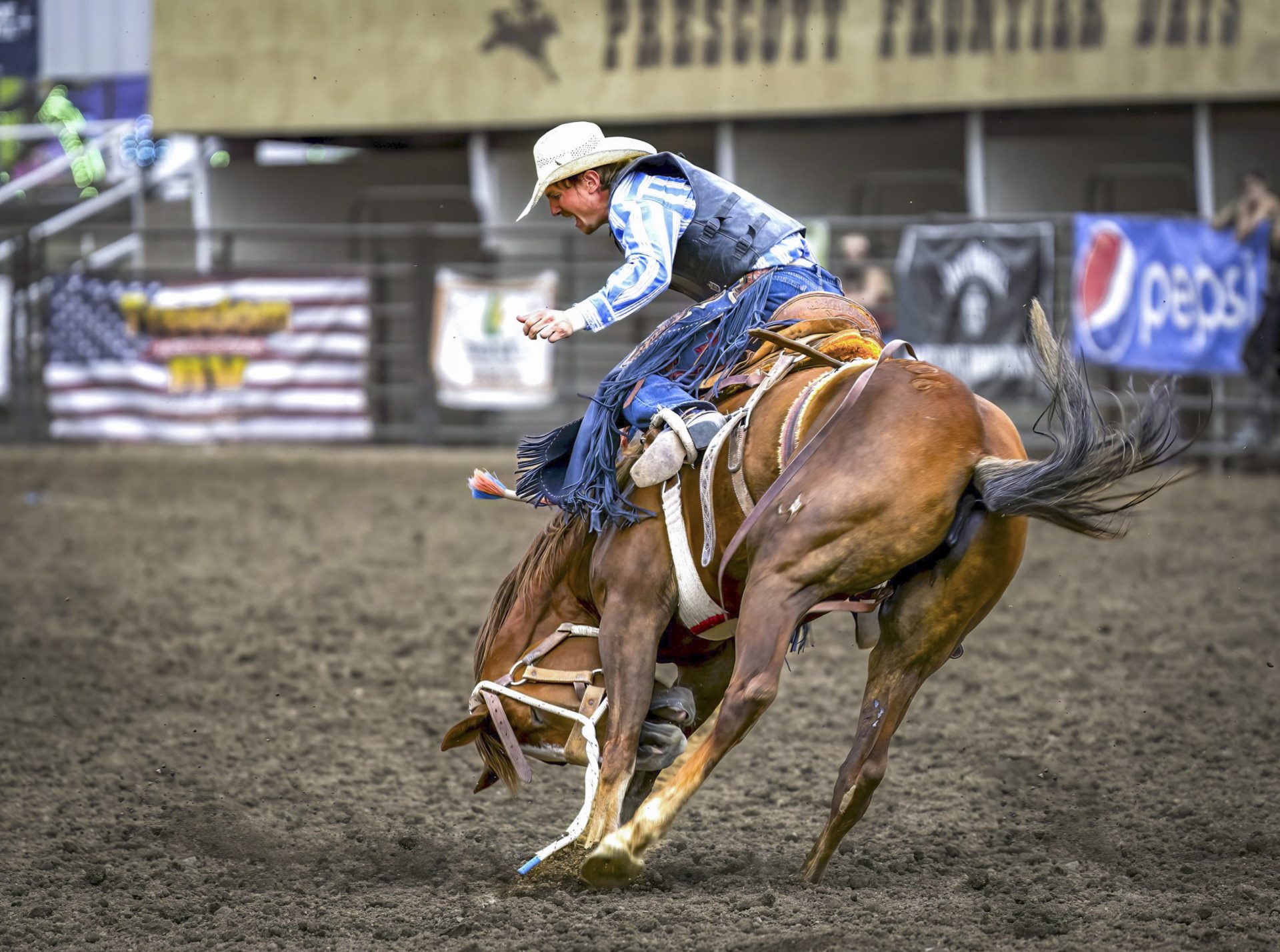
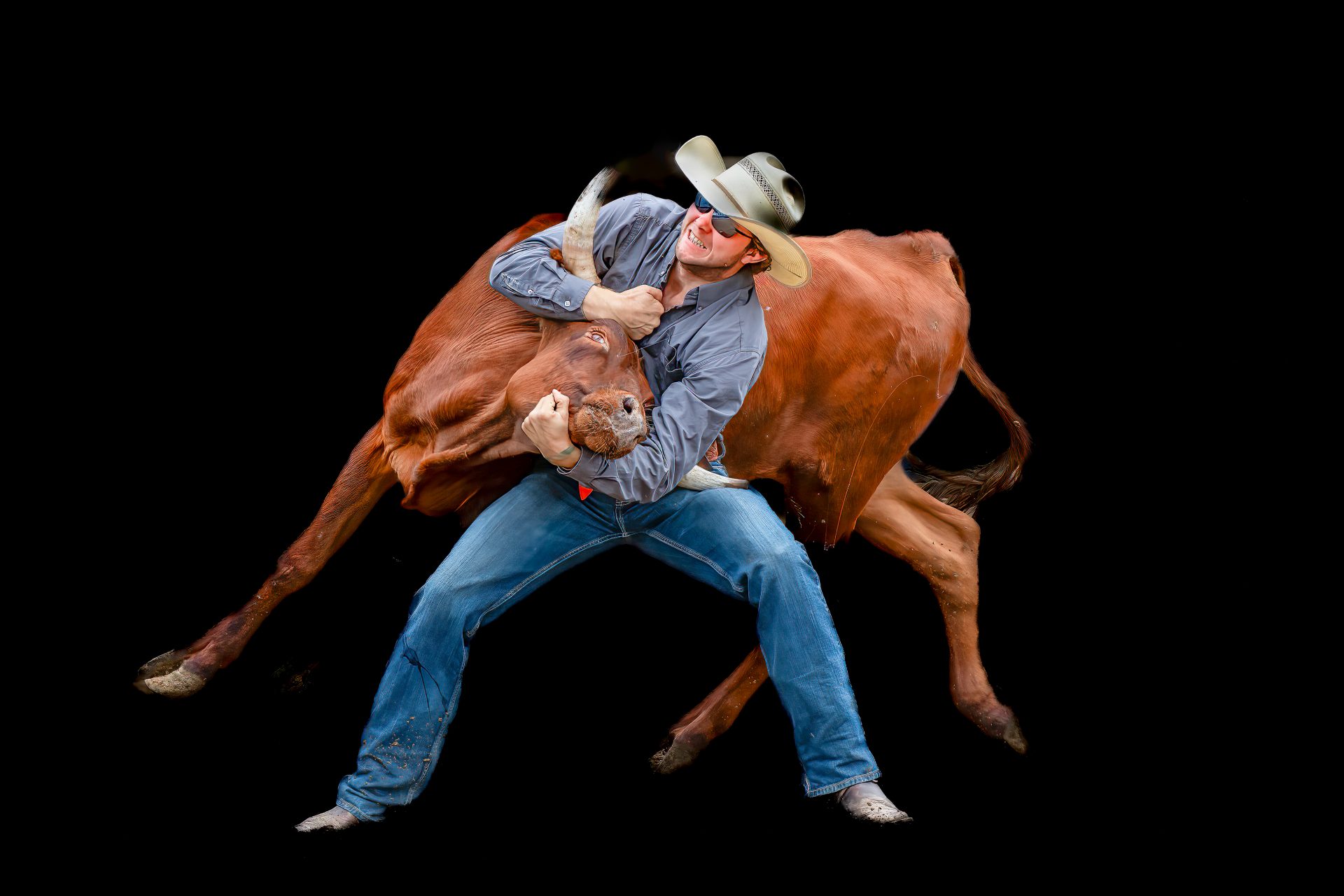
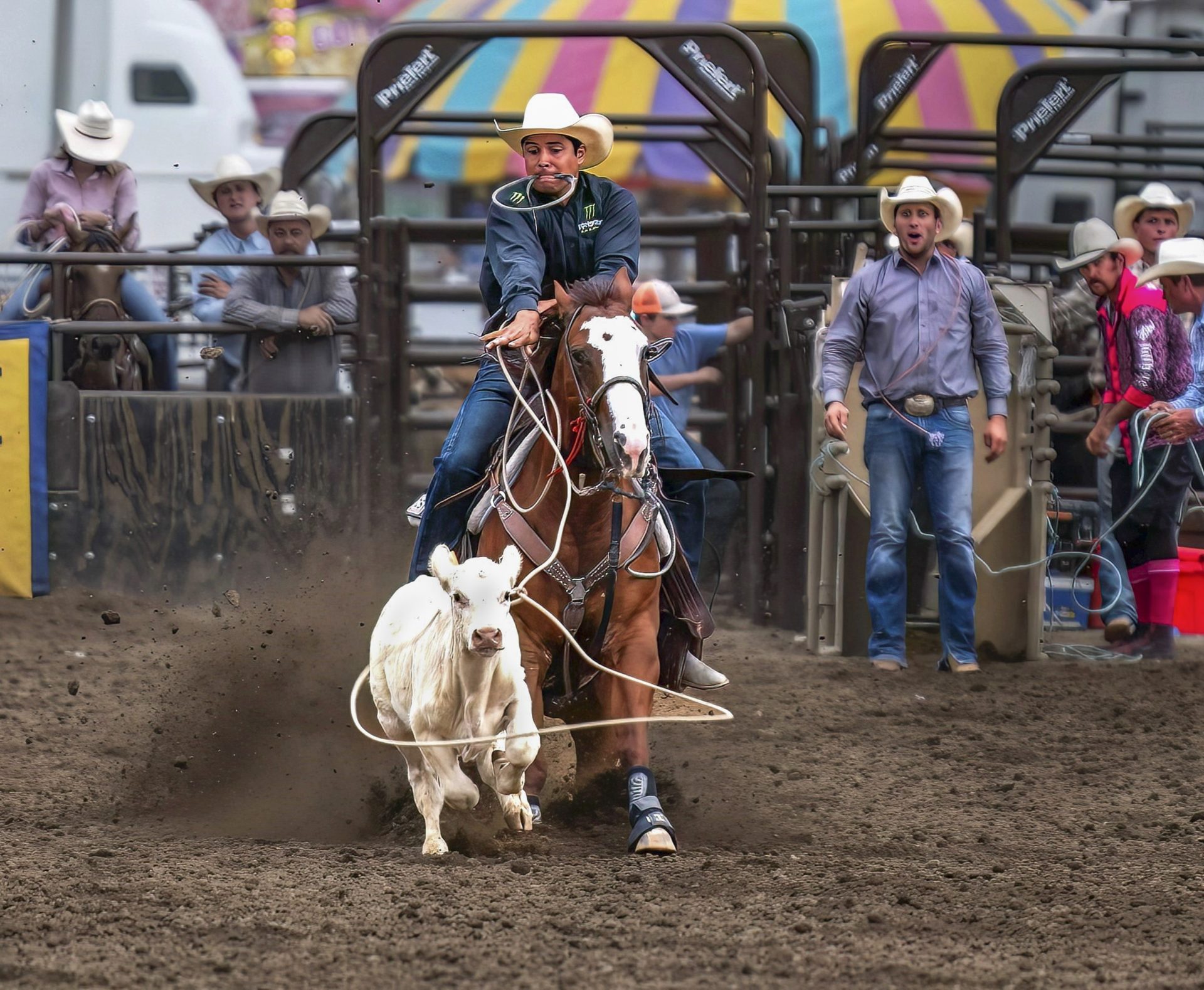
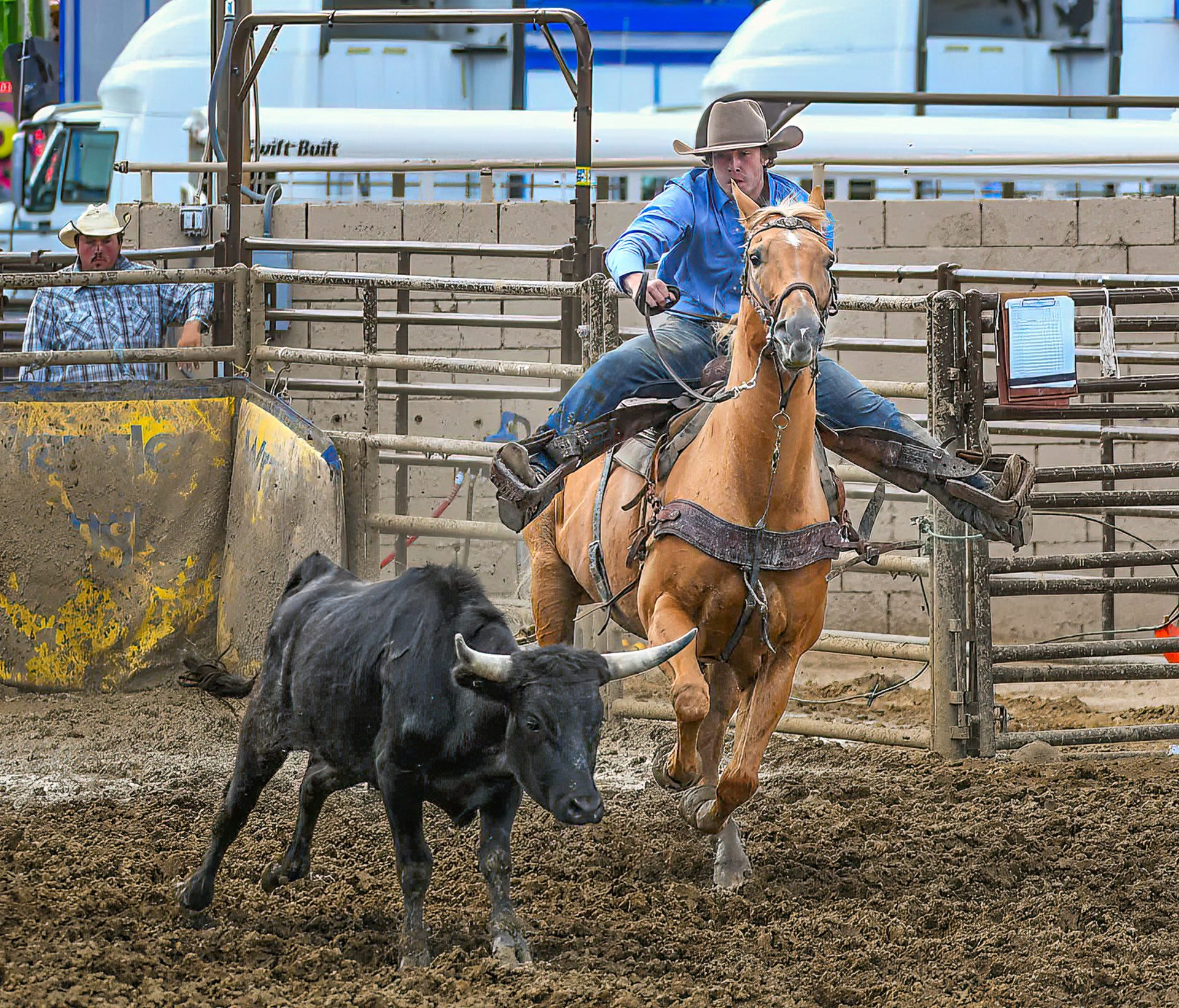
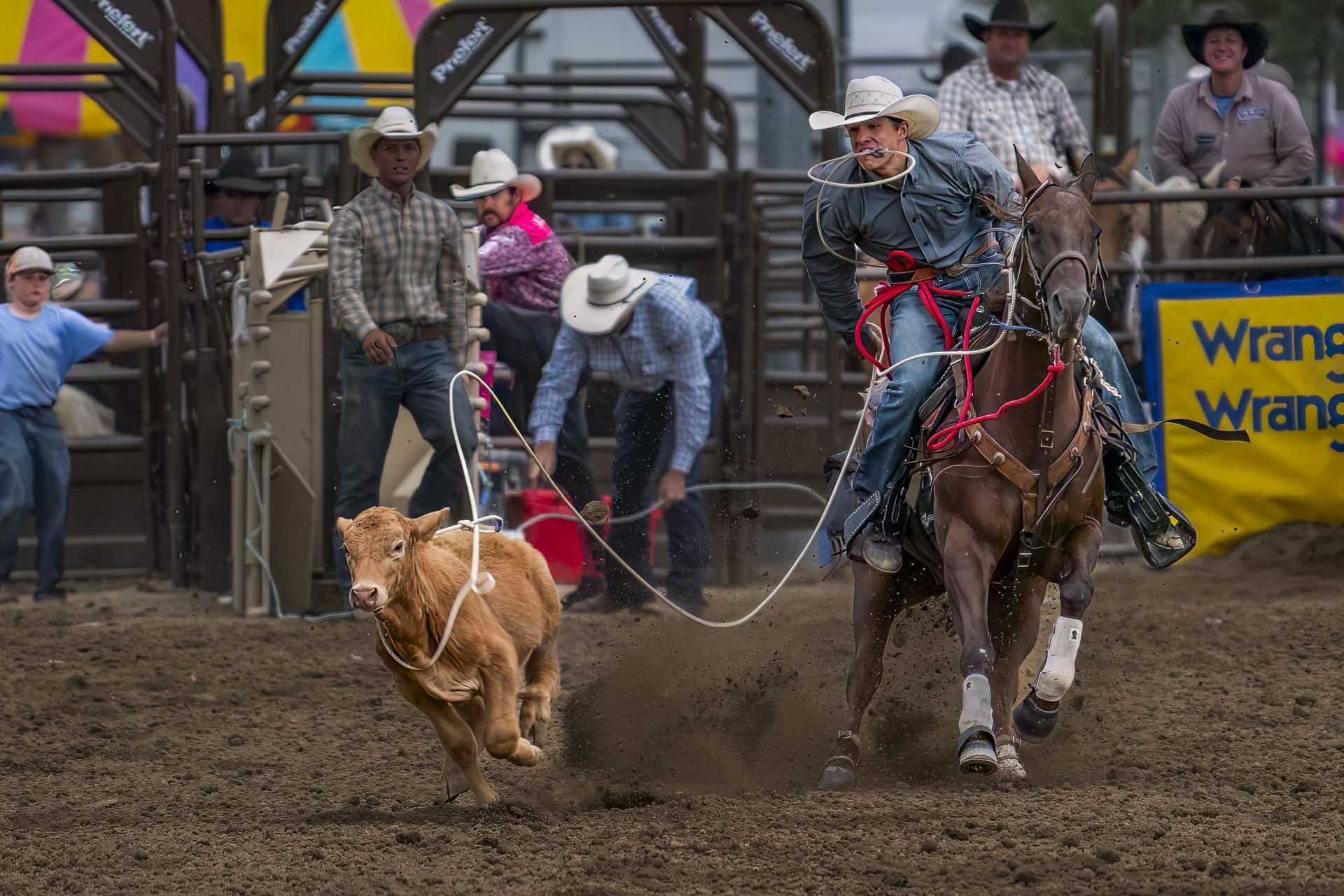
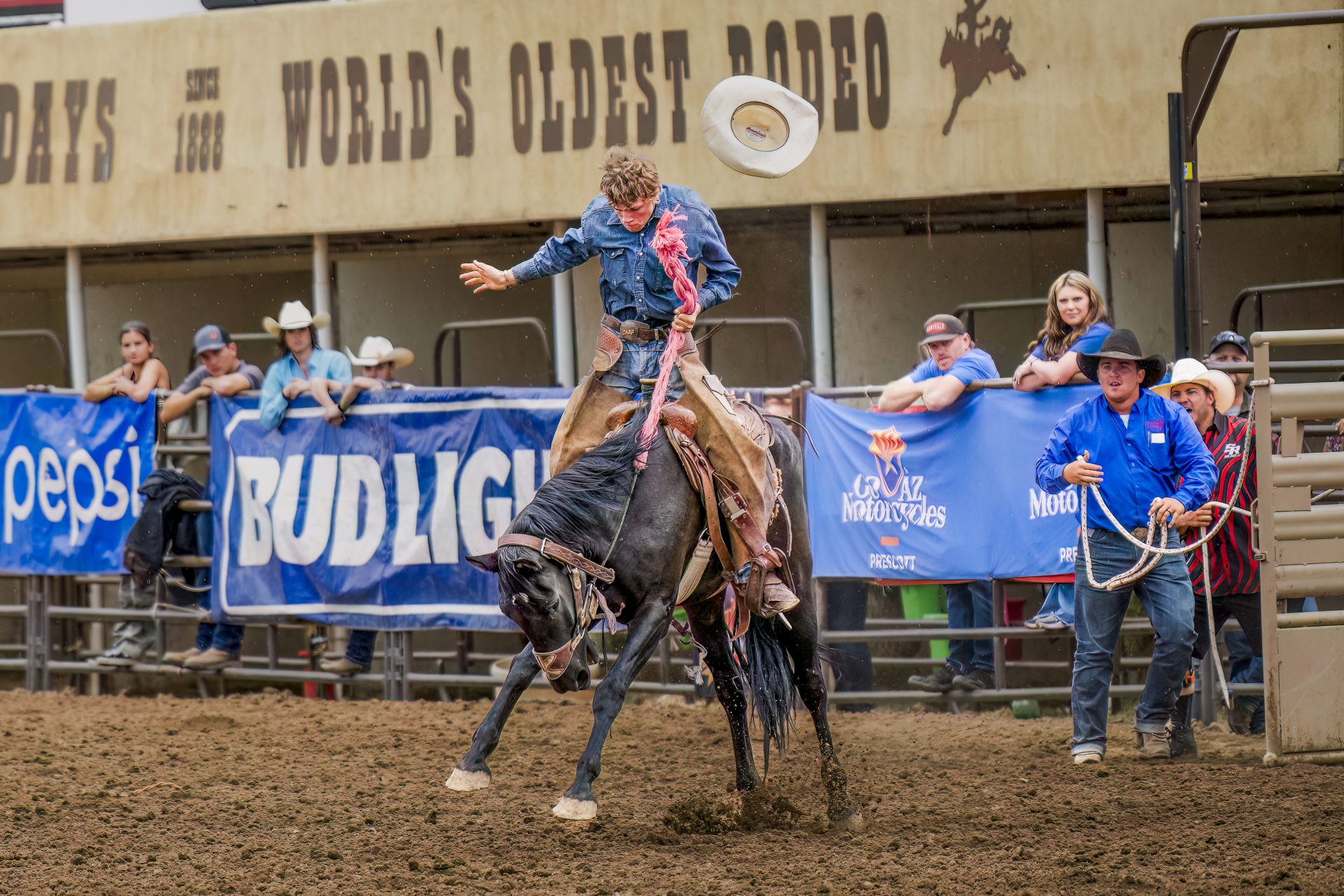
On July 4, 1888, professional rodeo was born when a group of Prescott, Arizona, merchants and businessmen organized the inaugural "cowboy tournament" and offered cash prizes. Juan Leivas, a cowboy, clinched rodeo's first professional title, as reported in the subsequent edition of the Arizona Journal-Miner. These "Cowboy Contests" persisted and were orchestrated by a committee of local merchants. Since then, rodeo has evolved into a multimillion-dollar industry, with over 700 professional rodeos held across 50 states.
Rodeo, rooted in the centuries-old tradition of cattle raising and stemming from Spanish vaquero practices, has become a global phenomenon. However, it has found its pinnacle in America. Unlike any other sport available to viewers or participants, rodeo is intricately connected to the natural world. It uniquely mirrors the skills essential in ranching life—knowledge, determination, and athleticism—which are showcased in the competitive arena of rodeo.

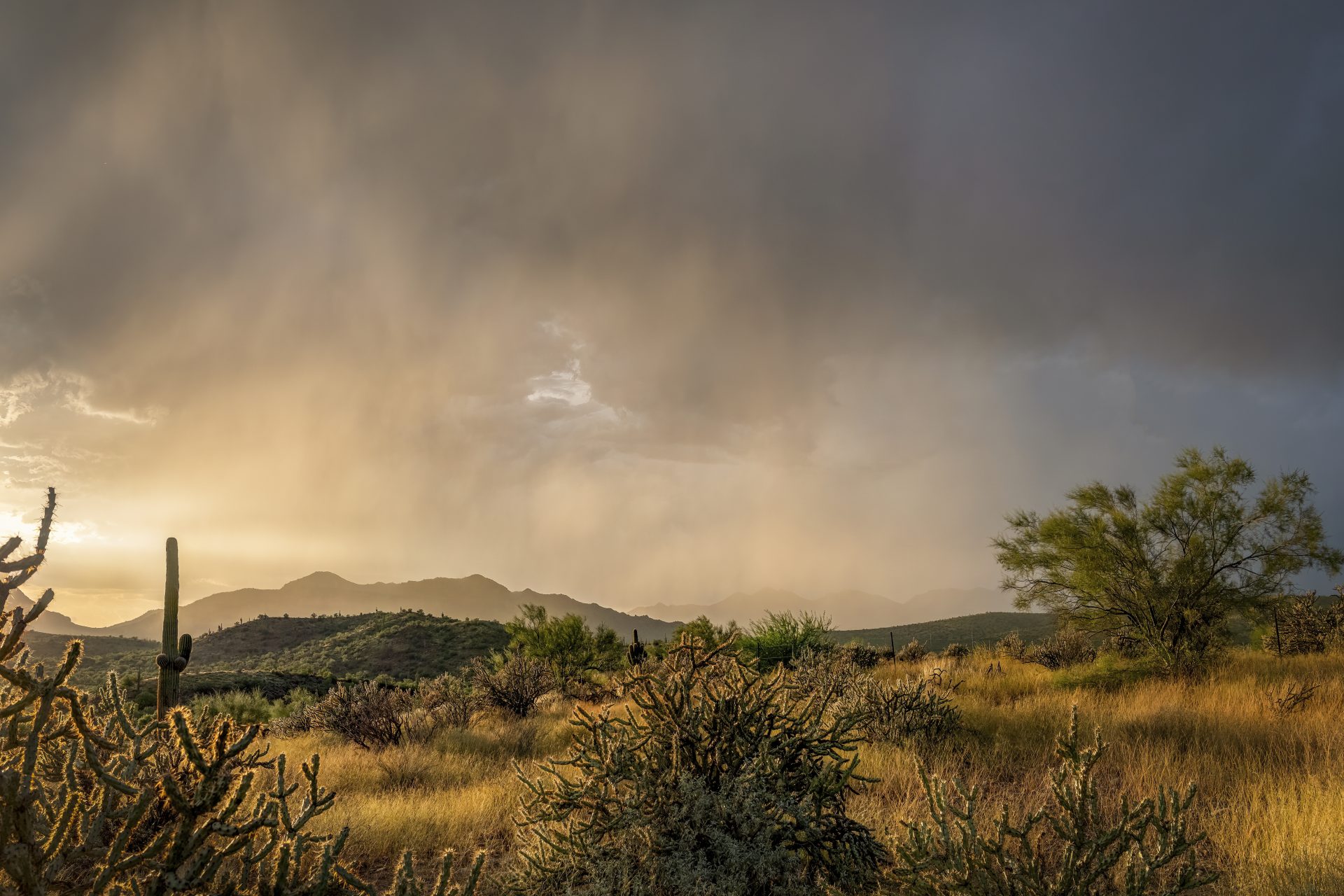
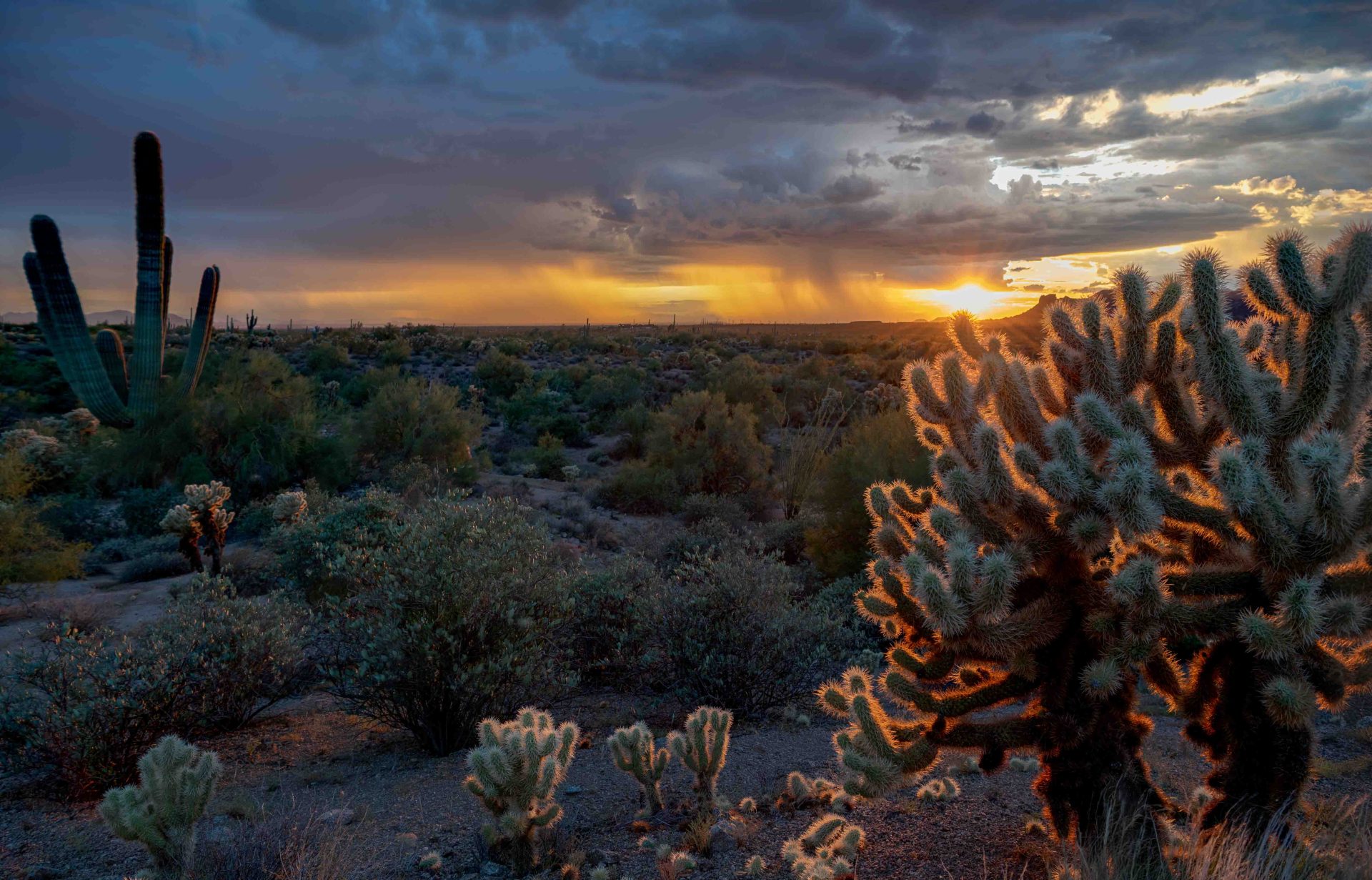
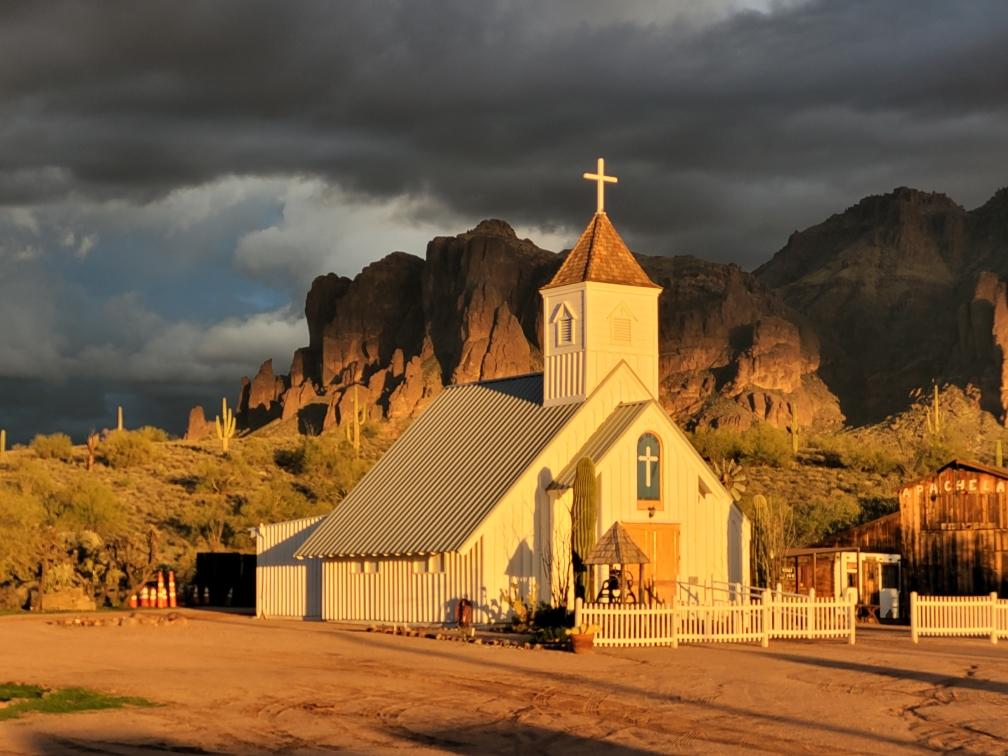
This section is dedicated to stormy weather. Even though I have lived here all my life, Arizona’s desert storms never cease to amaze me. I’m fortunate to live 20 minutes from the southwest border of the Tonto National Forest because of the varied geology in this area - from classic Sonoran Desert flora to the granite boulders south of Saguaro Lake on Bush Highway.
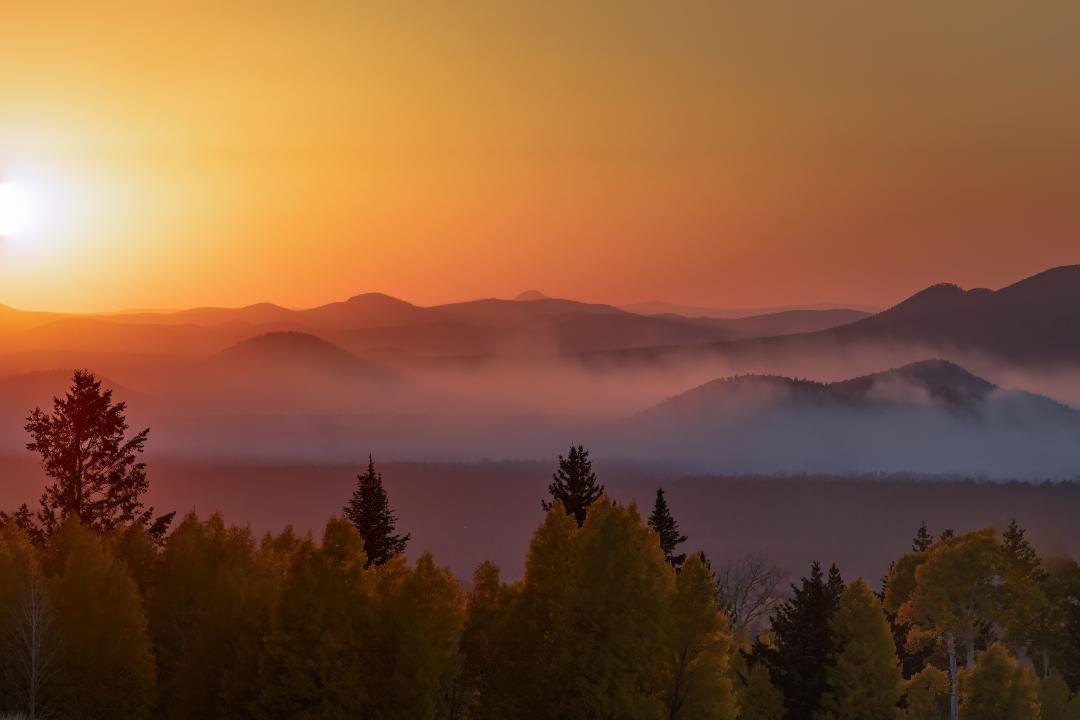
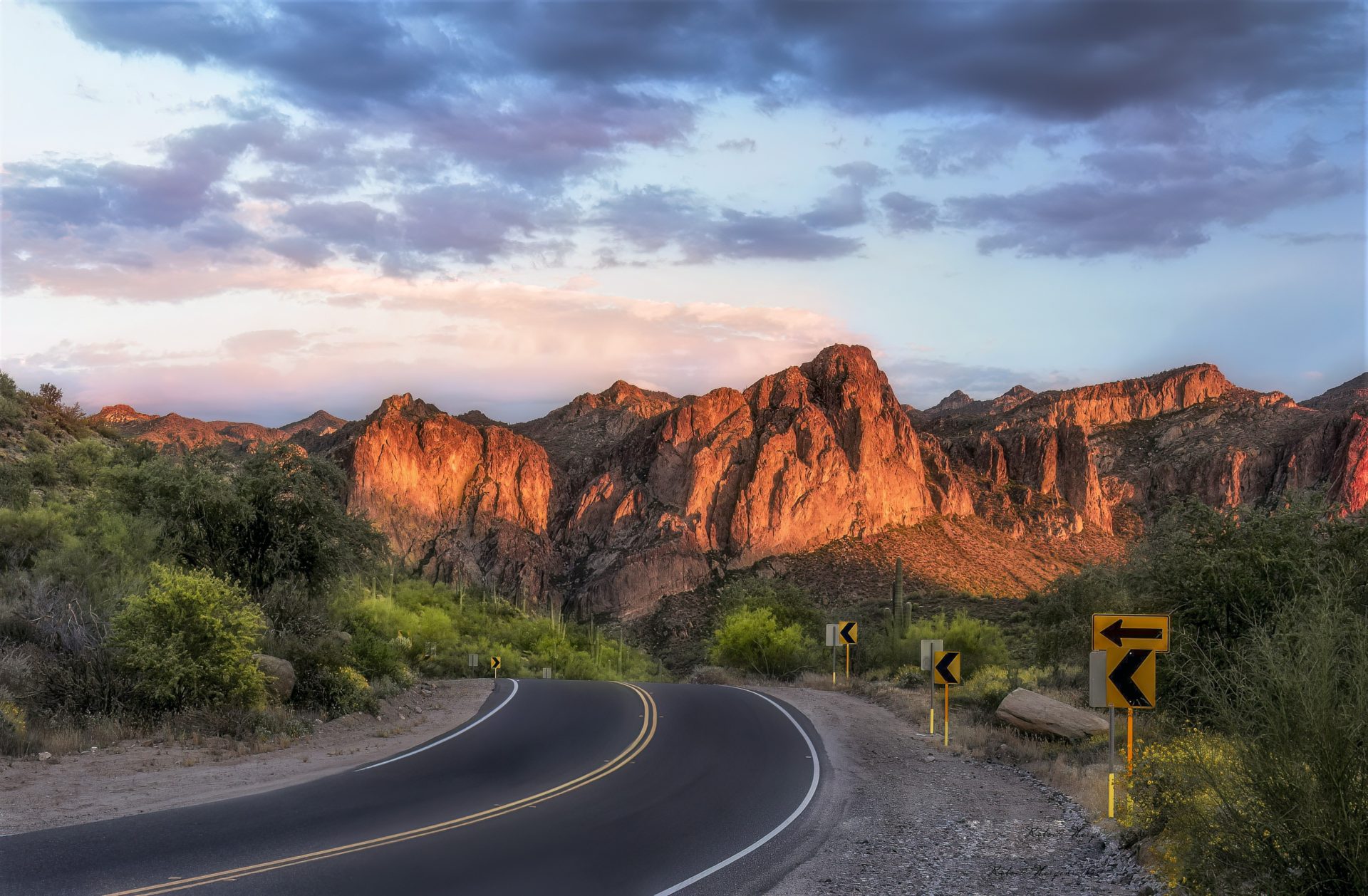
Sunset in the desert is breathtaking…. Fluffy clouds gather dramatically, letting sunlight peek through before vanishing. The sky bursts into horizontal streaks of deep red and bright orange. Science explains some of this beauty: dry air makes light sharper, and clouds up high reflect colors. But there's more to it than science. The moment when the sun dips below the horizon catches our eye, but the real magic spreads across the whole desert sky. Mountains to the north, south, and east turn soft shades of purple as twilight sets in. Topography pencils in the lines — endless muted folds of mountains, deep-shadow buttes, and horizons far enough to inspire dreams.
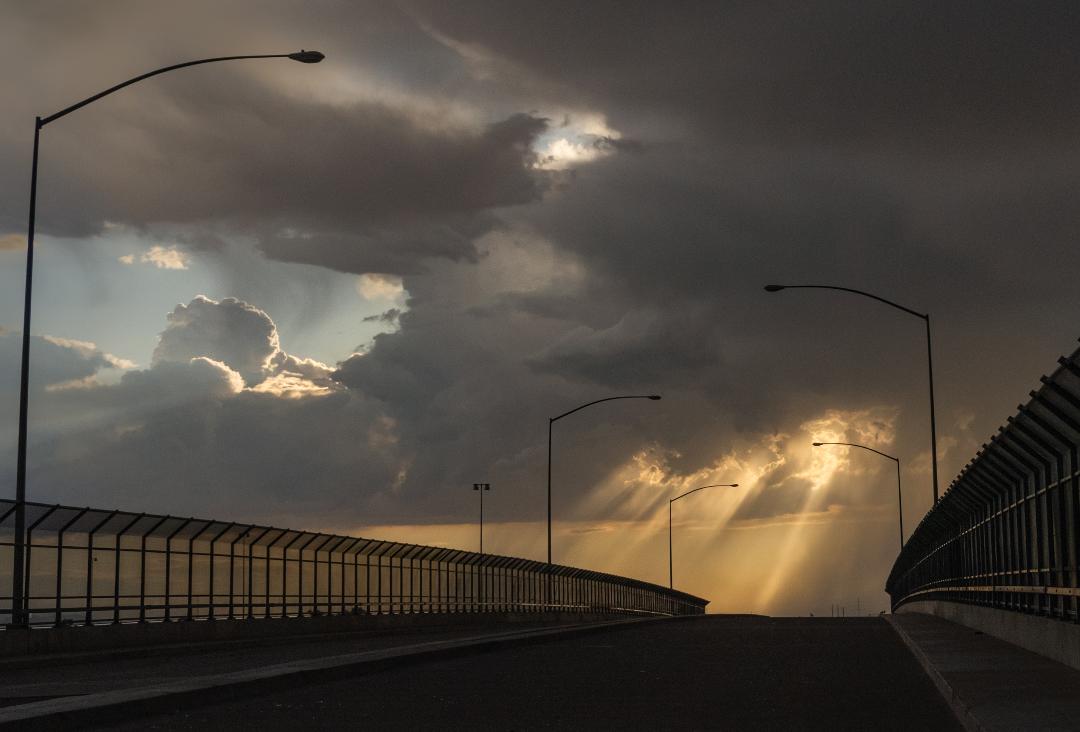
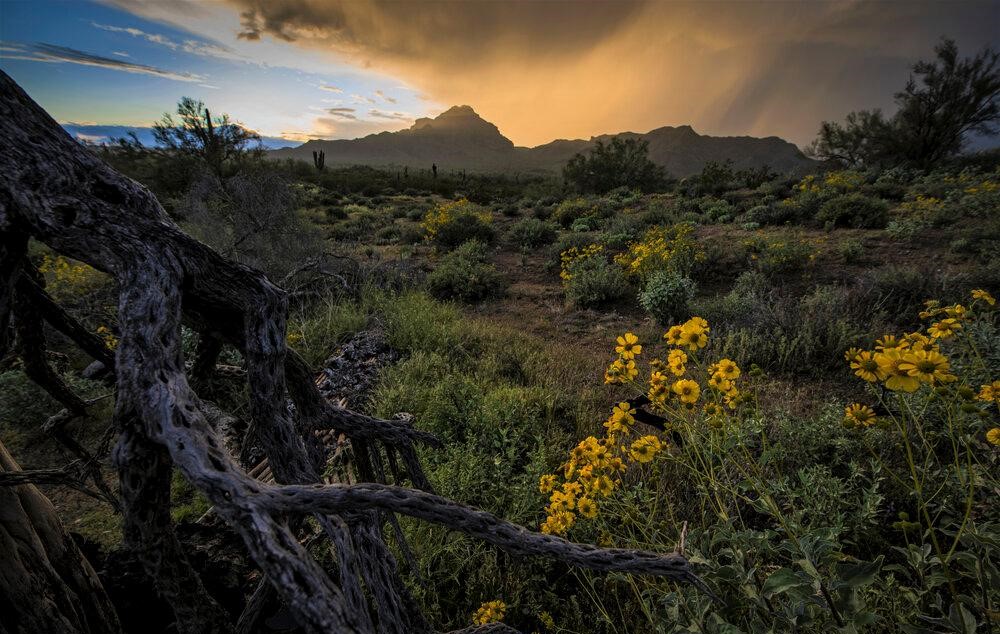
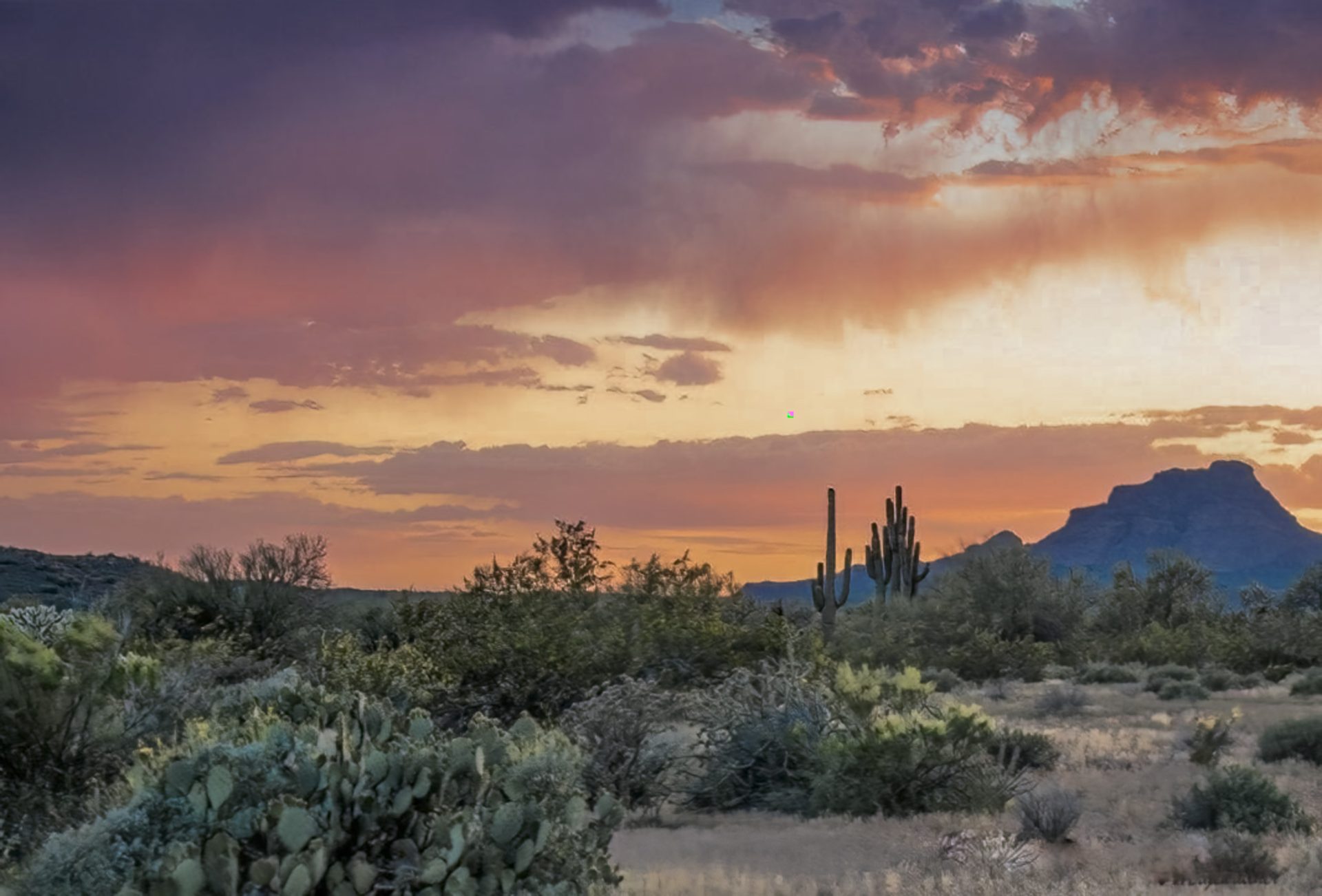
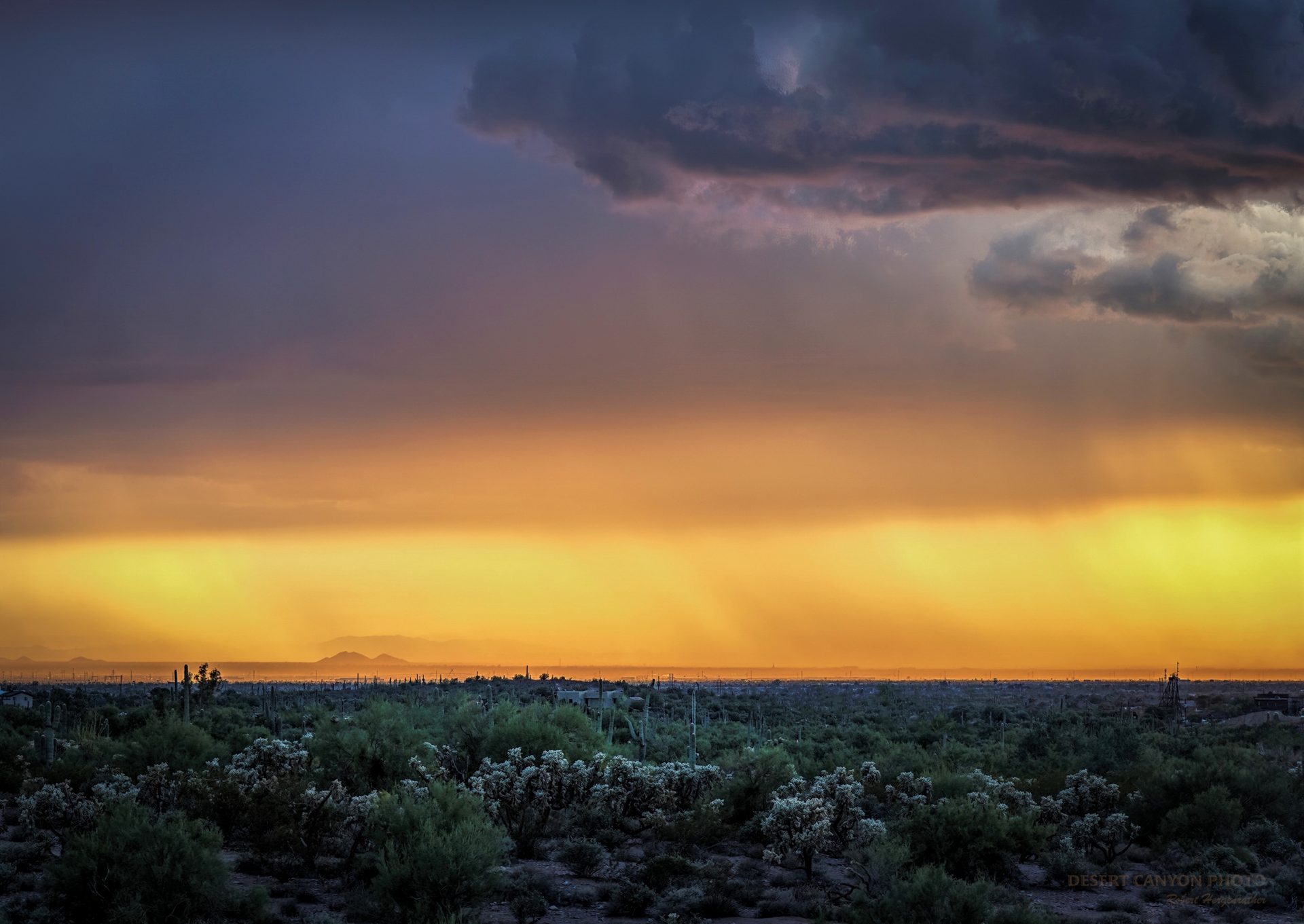
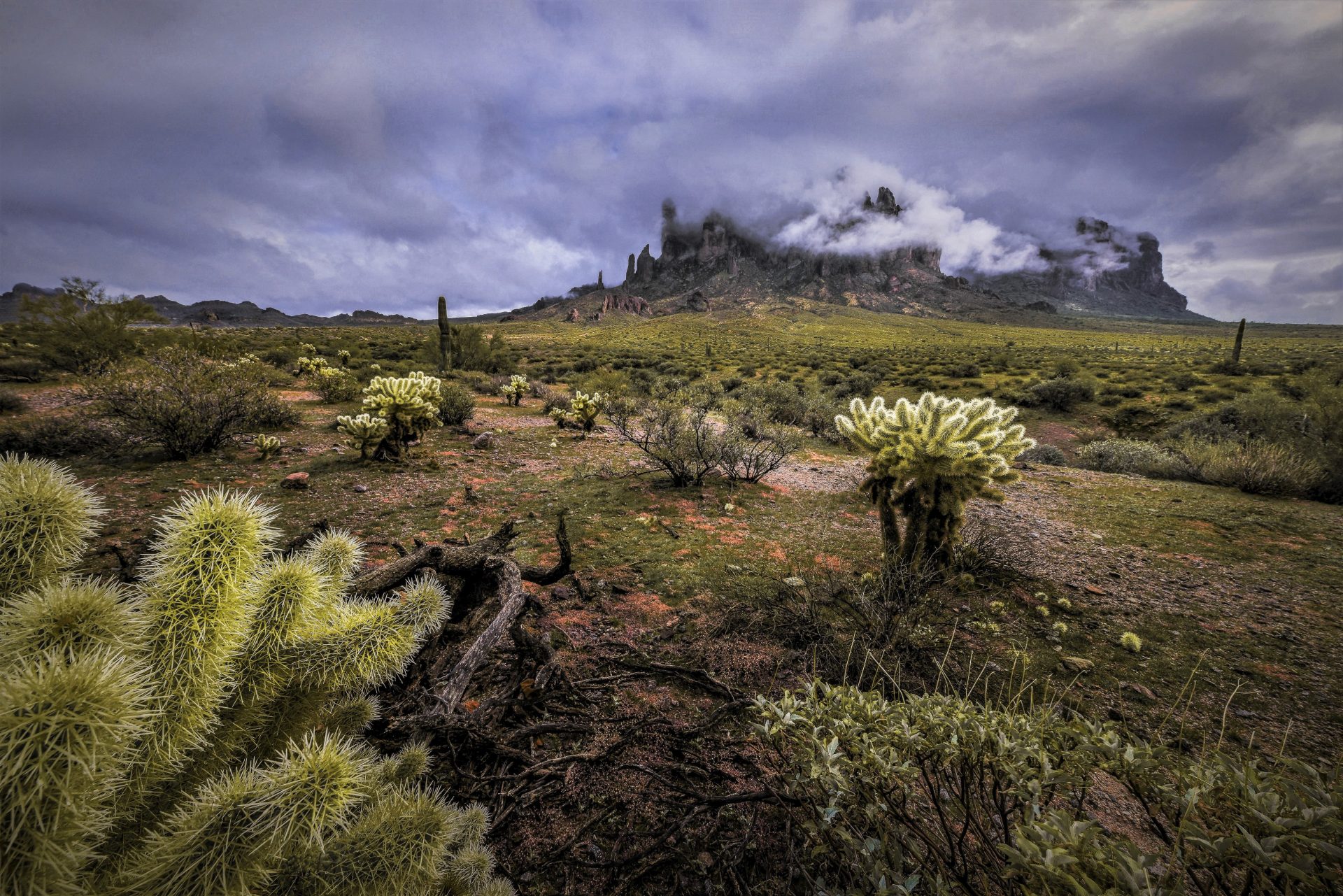
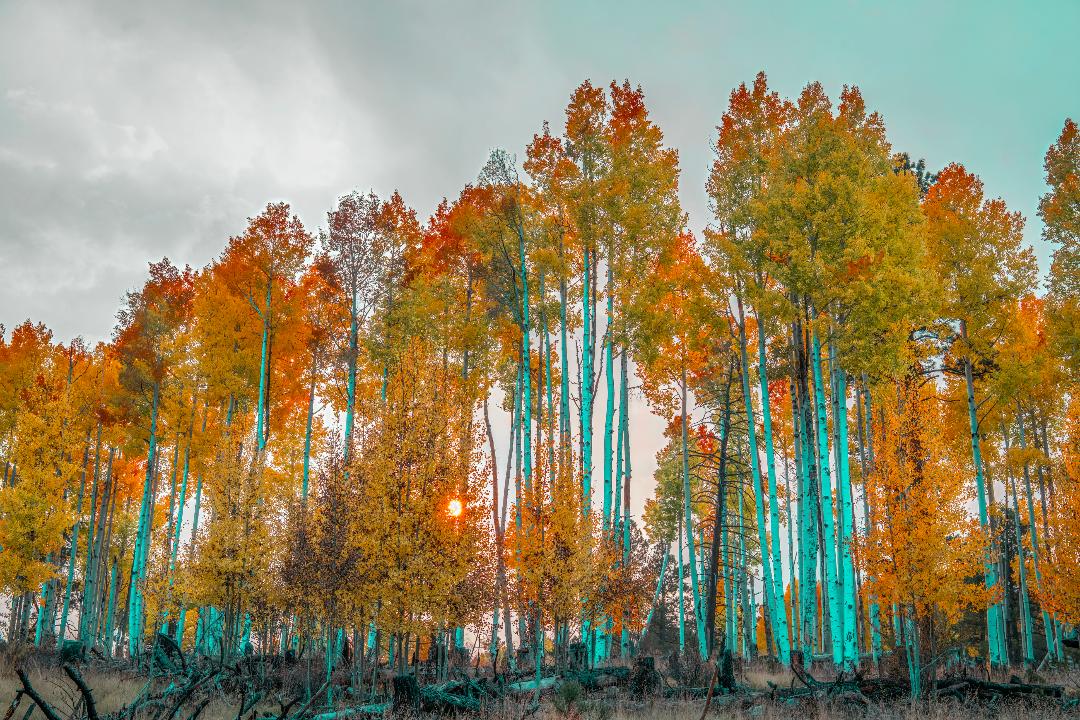
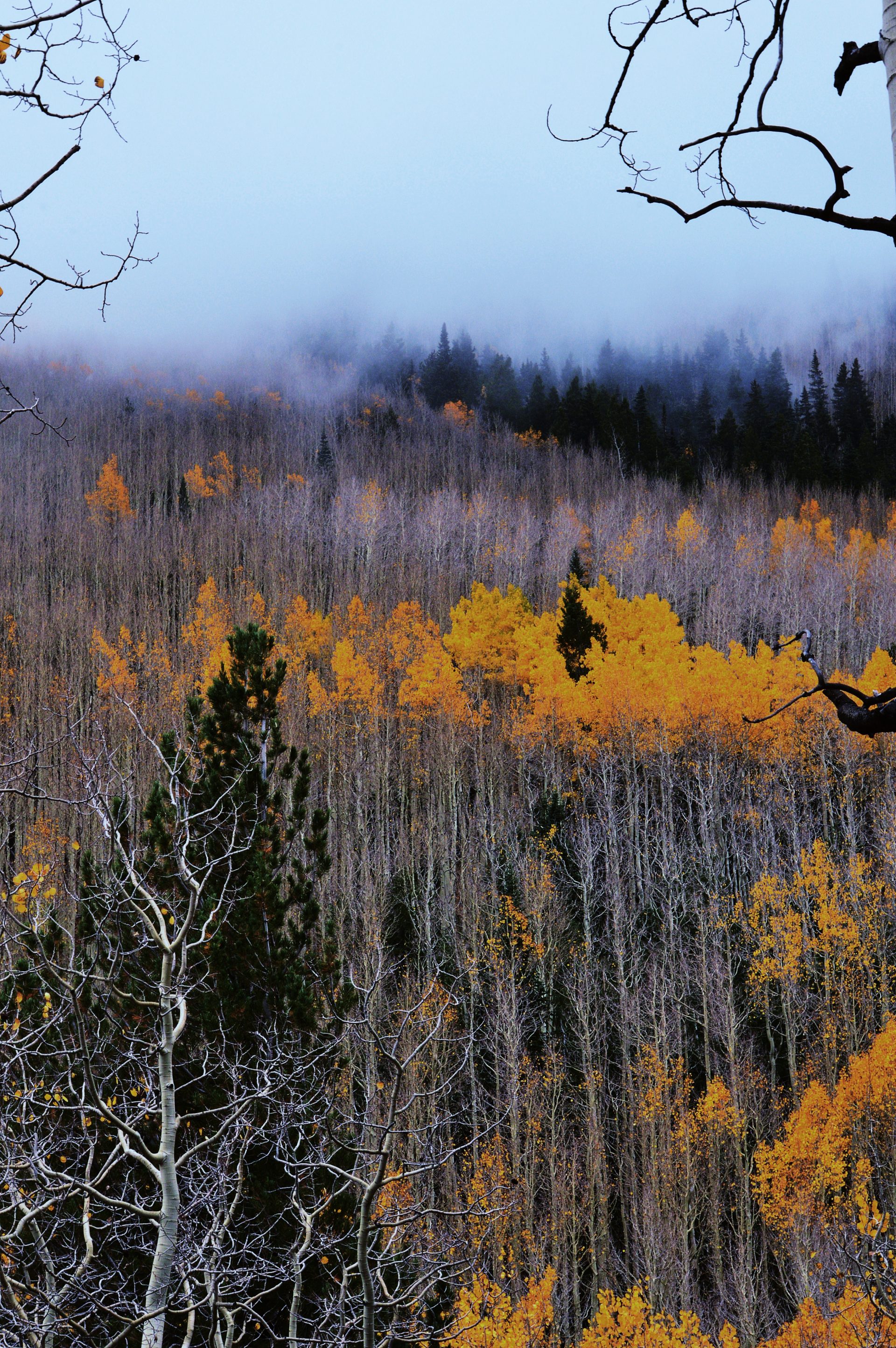
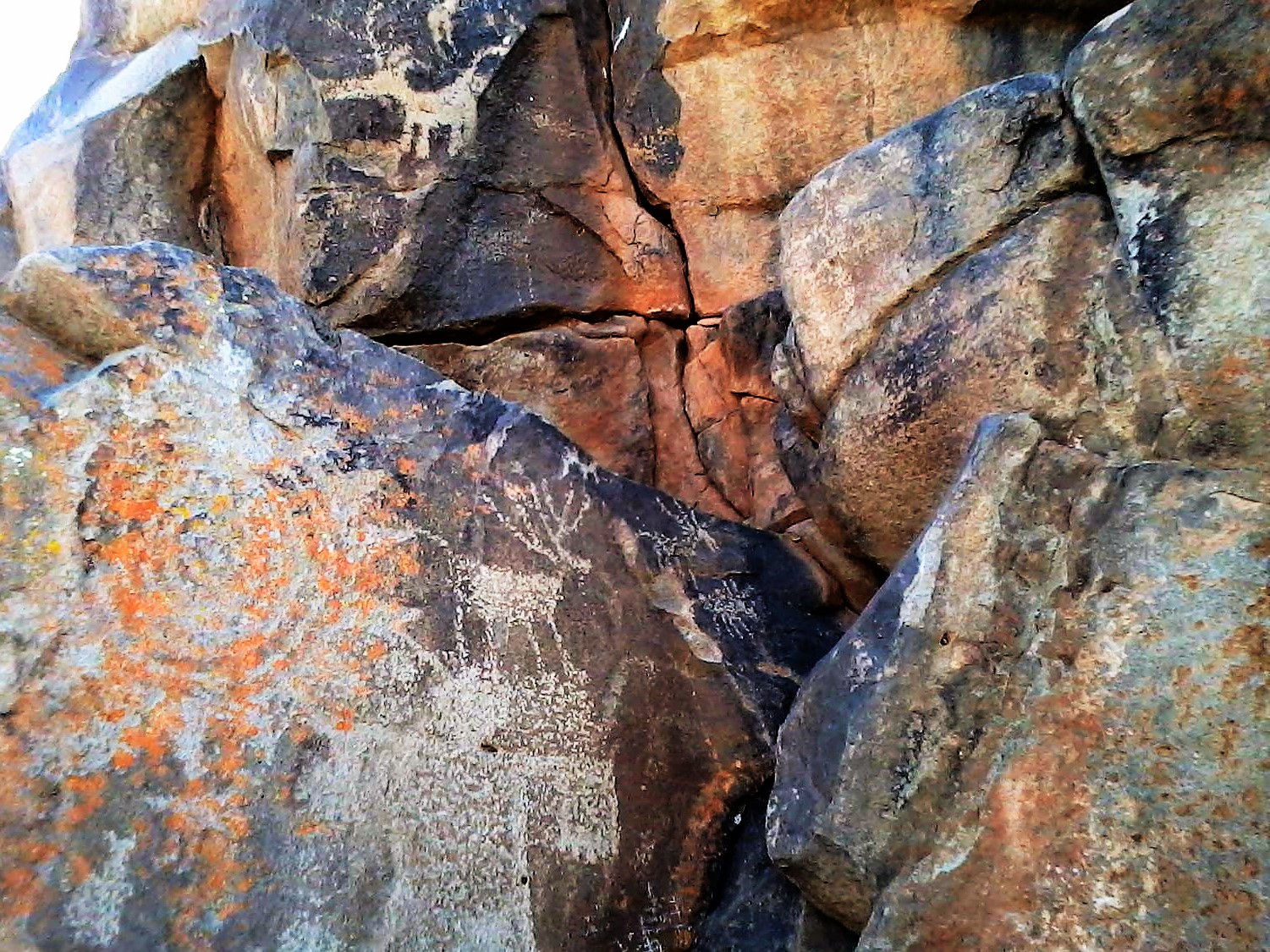
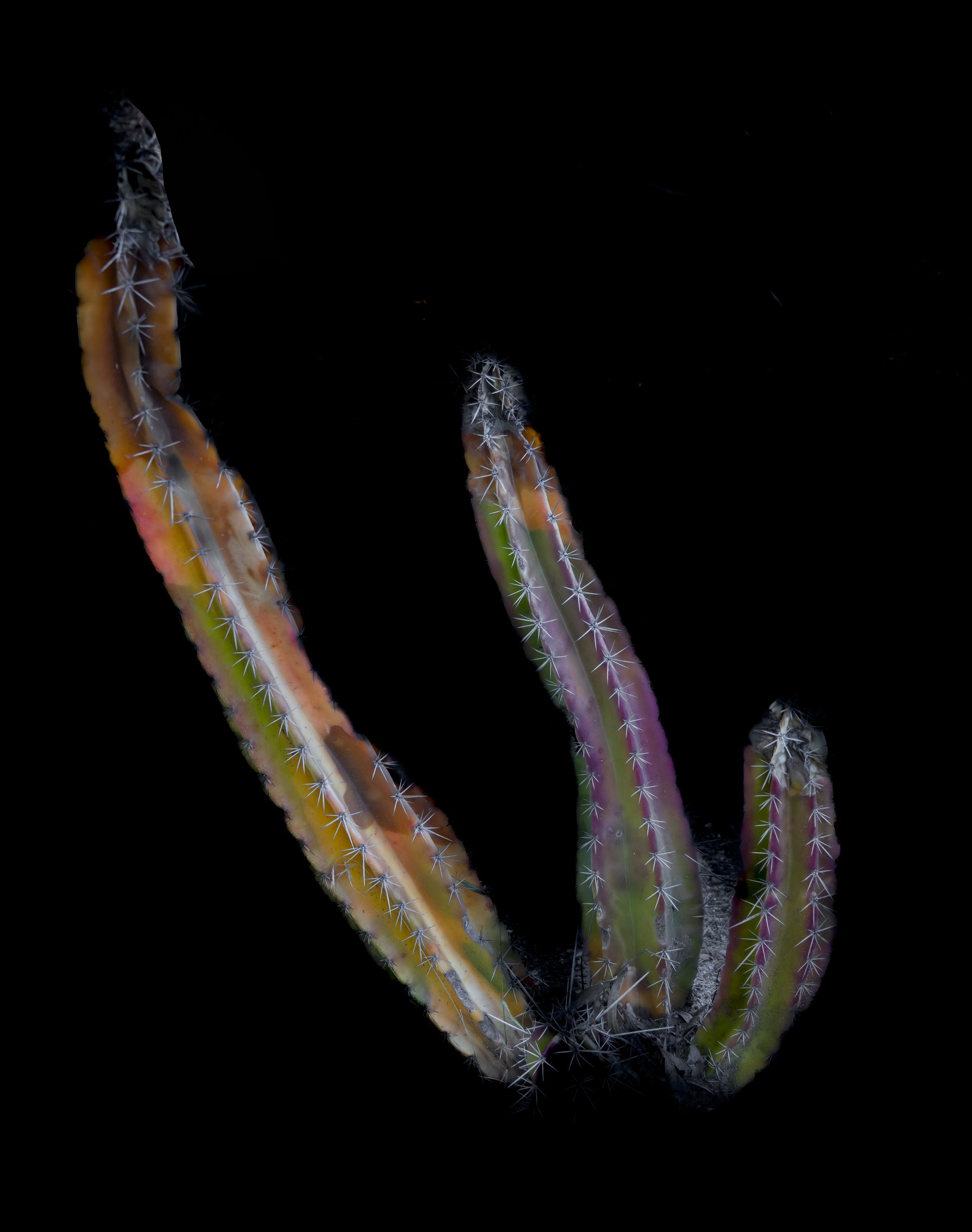
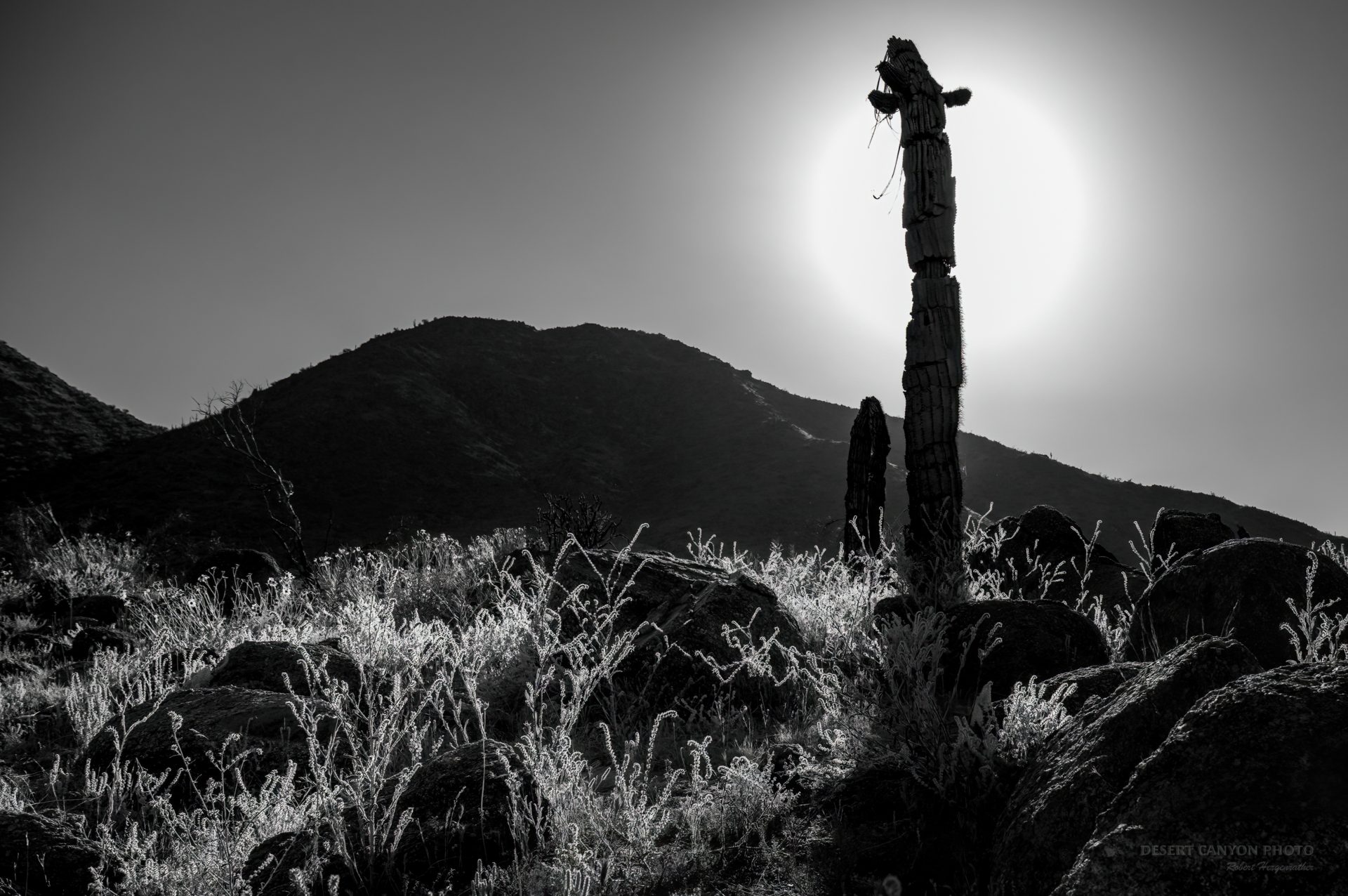
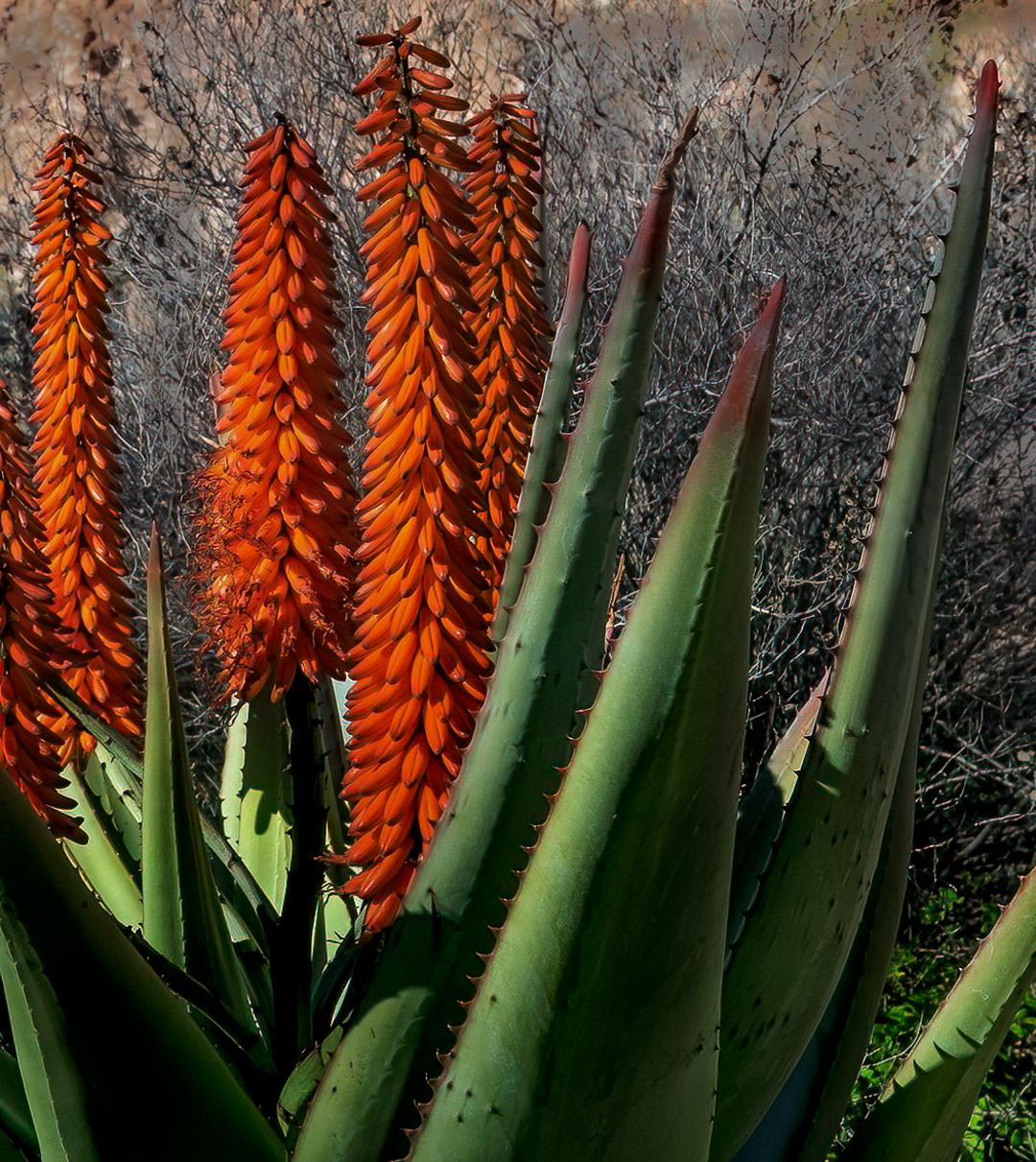
This section is mostly a small collection of images that represent reality, but some may not necessarily be in literal form. I found that either the colors
or the subject matter was eye-catching and I hope you enjoy the randomness.